Discover the Giants: How Norwegian Fjord Voyages Will Change the Way You See the Sea
Attention: Have you ever imagined waking to cliffs towering like cathedral walls and waters so still they mirror the sky? Interest: Norwegian Fjord Voyages promise exactly that—raw scenery, quiet anchorages and coastal culture served with a side of crisp sea air. Desire: Whether you seek a gentle week of scenic daysails or a bold northern expedition under the midnight sun, this guide helps you plan, prepare and sail with confidence. Action: Read on—by the end you will have practical routes, equipment lists and planning steps to set out on an unforgettable fjord voyage.
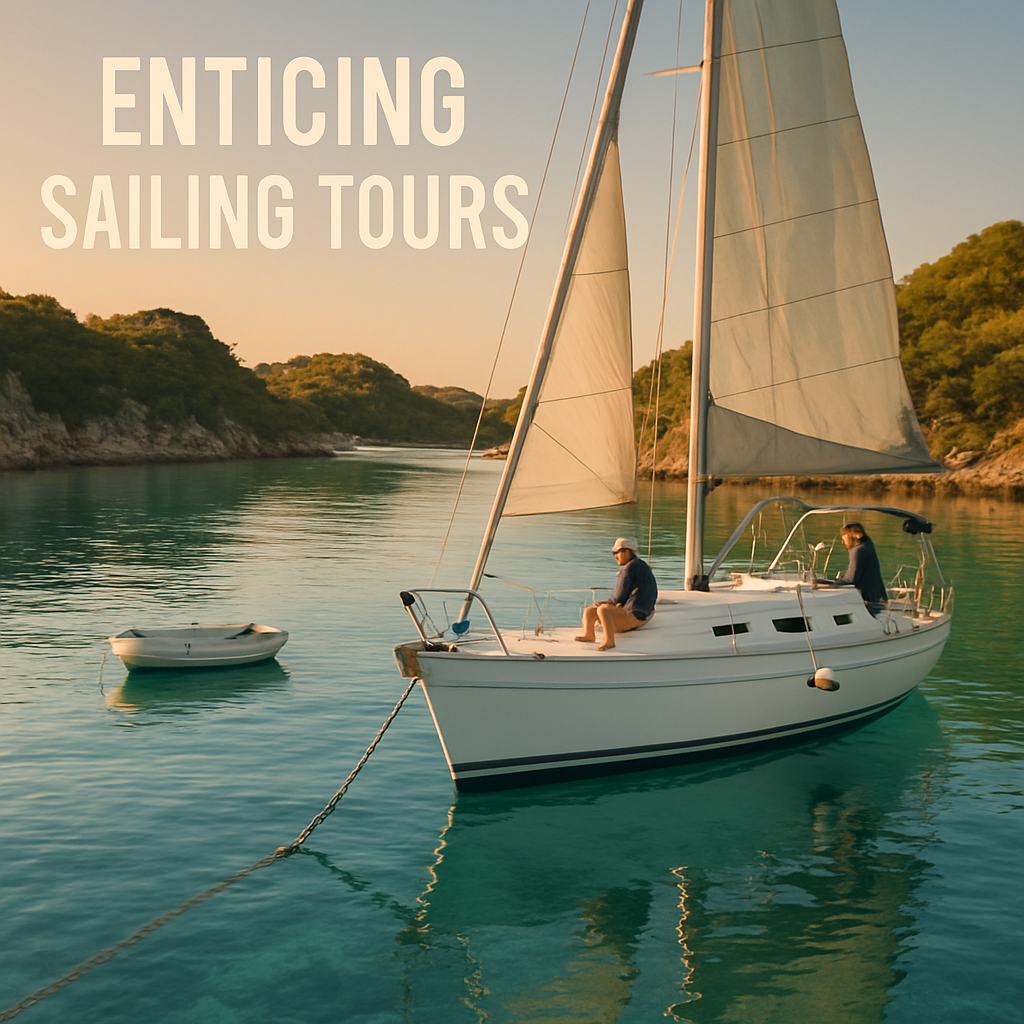
If you are exploring options beyond the fjords, Tamtam Sailing’s Enticing Sailing Tours page is a useful starting point. It gathers a wide variety of curated itineraries—from short coastal hops to multi-week expeditions—so that you may compare styles of voyage, seasonal highlights and difficulty levels. Reviewing these alternative tours alongside Norwegian Fjord Voyages assists in planning a balanced sailing calendar and selecting trips that build seamanship progressively.
For those interested in northern European alternatives, our practical resources on Baltic Sea Sailing outline coastal passages, island-hopping strategies and regional quirks. The Baltic presents different wind patterns and more open-water crossings than inner fjords; studying these routes improves overall seamanship and provides additional choices for shoulder-season sailing when some fjord services are reduced.
If warm-water escapes are under consideration between fjord seasons, the overview of Caribbean Sailing Routes demonstrates how varied and rewarding tropical voyaging may be. Comparing Caribbean itineraries with Norwegian Fjord Voyages highlights contrasts in provisioning, hull maintenance and equipment needs—information that will assist in outfitting the vessel appropriately and in sharpening logistical planning for voyages in very different climates.
Norwegian Fjord Voyages: A Beginner’s Guide to Exploring the Giants
Sailing the Norwegian fjords is unlike typical coastal cruising. Here, deep glacial cuts meet the sea, creating sheltered waterways, dramatic relief and local weather quirks. For many sailors, Norwegian Fjord Voyages constitute a bucket-list experience—and yet they are accessible with thoughtful preparation. The following section introduces the essentials that should be considered prior to casting off.
What makes fjord sailing unique?
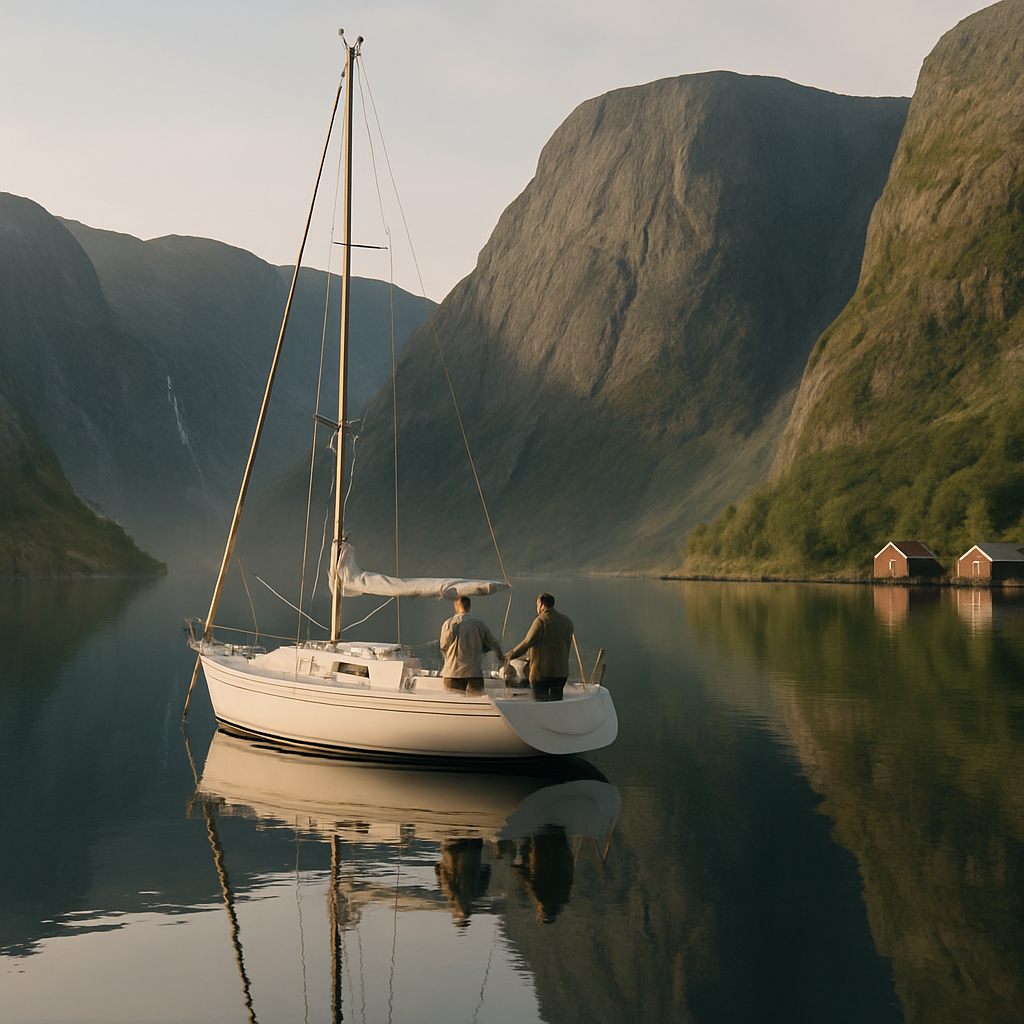
Fjords were carved by glaciers and later flooded by the ocean. They present steep sides, deep waters and a strong sense of remoteness. Narrow arms funnel the wind and currents, while inner basins can be deceptively calm. Expect rapidly changing conditions and remarkable contrasts: glassy mornings and then blustery afternoons. Understanding these shifts is the first step toward safe enjoyment.
Assessing your skill level and crew readiness
Not every fjord route requires advanced skills, but competence in close-quarters maneuvering, anchoring in deep water and reliable navigation is important. If you are new to coastal cruising, begin with shorter legs near well-served ports, practice day sails and build confidence gradually. Assign roles aboard—helm, navigator, lookout and provisioning manager—and rehearse basic safety drills such as man-overboard recovery, anchor setting and VHF calls before departing. These preparations reduce stress and increase enjoyment.
Conservation and local etiquette
Norwegians cherish their coast. You will be welcomed when you demonstrate respect: use official guest harbors when possible, avoid anchoring in sensitive seabeds, tidy refuse and limit noise near small villages. A polite greeting and a few words of courtesy go a long way—Norway’s coastal communities appreciate considerate visitors.
Top Norwegian Fjord Voyages Routes for 2026
Routes evolve with seasons and local infrastructure, but certain fjord circuits remain perennial favorites. The following itineraries are suitable for 2026 and beyond, and are presented to suit different interests and skill sets. Each route includes highlights and practical tips for the modern voyager.
Sognefjord Loop — Classic fjord grandeur
Overview: Sognefjord is Norway’s longest and deepest fjord, ideal for those seeking sweeping vistas and a variety of stopovers. The loop may be completed as a relaxed week-long cruise or extended into a two-week exploration that includes side-arms and mountain access.
Highlights: Nærøyfjord’s UNESCO-listed arms, the village of Flåm and spectacular waterfalls. Practical tip: allow time for short hikes; some of the best viewpoints require a modest walk ashore.
Hardangerfjord & Folgefonna — Blossoms and glaciers
Overview: Known for fruit orchards and dramatic waterfalls, Hardangerfjord blends gentle sailing with cultural stops. Folgefonna glacier offers a nearby day-trip for the adventurous.
Highlights: Steinsdalsfossen, local cider farms and intimate anchorages. Practical tip: spring visits are particularly attractive for blossoms, while late summer provides warmer water and calmer weather.
Lysefjord & Stavanger approaches — Short on distance, big on drama
Overview: Lysefjord contains dramatic cliffs and the iconic Preikestolen within a relatively short passage. It is well suited for day trips or weekend escapes from Stavanger.
Highlights: Pulpit Rock (Preikestolen) and guided fjord hikes. Practical tip: arrange marina berths in Stavanger well in advance during the summer months.
Geirangerfjord & The Fjord Triangle — UNESCO splendour
Overview: Geirangerfjord ranks among Norway’s most photographed fjords. It pairs well with Sunnylvsfjord for concentrated scenery and cultural experiences.
Highlights: Seven Sisters waterfall and narrow, steep-walled passages. Practical tip: approach Geiranger in the quieter morning hours to avoid the busiest tourist traffic.
Northern fjords: Lofoten & Vesterålen — Peaks, wildlife and midnight sun
Overview: For a bolder voyage, the summer fjords in the Arctic Circle offer jagged peaks, sheltered bays and extended daylight. Sea eagles and whales are frequently observed.
Highlights: Fishing villages such as Reine and birdlife-rich islands. Practical tip: plan for longer legs due to distances between services; ensure that fuel and provisioning are well-stocked.
| Route | Best time | Ideal for |
|---|---|---|
| Sognefjord Loop | May–Sept | Scenic cruising |
| Hardangerfjord | Apr–Oct | Cultural & easy sailing |
| Lysefjord (Stavanger) | May–Sept | Short dramatic trips |
| Geirangerfjord | Jun–Aug | Iconic scenery |
| Lofoten & Vesterålen | Jun–Aug | Wildlife & long-day voyaging |
Choosing the Right Boat and Equipment for Fjord Cruising
Selecting the appropriate vessel and kit is central to deriving maximum enjoyment from Norwegian Fjord Voyages. Vessels range from nimble monohulls to roomy catamarans, and each type has advantages and trade-offs in fjord conditions. The essential objective is to match capability with route and crew expectations.
Boat attributes to prioritize
- Responsive steering for narrow channels and precise maneuvering.
- Reliable engine and sufficient fuel—the wind can disappear entirely within sheltered fjord arms.
- Robust anchoring system: an adequately rated anchor, appropriate chain for fjord depths and an effective windlass.
- Heating and insulation for shoulder seasons; nights may be cool even in summer.
- Onboard electrical capacity sufficient for navigation equipment, lighting and optional systems such as a watermaker.
Essential gear checklist
Presented below is a practical list intended to prepare the vessel for fjord conditions. Consider this as standard kit rather than optional extras.
- Navigation: updated electronic charts of Norwegian waters, a reliable compass, paper charts as backups, GPS and AIS.
- Safety: lifejackets with harnesses, VHF with DSC, EPIRB or PLB, a liferaft for offshore segments, a comprehensive first-aid kit and fire extinguishers.
- Anchoring: a primary anchor and a secondary anchor, ample chain and an anchor bridle for stern protection if required.
- Deck equipment: robust fenders, reliable mooring lines, a boarding ladder and a sturdy dinghy for shore access in remote locations.
- Comfort & provisioning: warm bedding, waterproof clothing, stable cooking facilities and extra freshwater or a dependable method to replenish water.
Technology that matters
Modern electronics simplify fjord navigation: depth sounders with trustworthy alarms, radar for low-visibility conditions and an up-to-date chartplotter. Nevertheless, please always carry paper charts and a handheld GPS as redundancy. Electronic failure should not result in a helpless situation.
Tips for Safe and Scenic Fjord Navigation Along Norway’s Coast
Sound seamanship is amplified in fjords: minor mistakes may have greater consequences when cliffs and currents are present. The practices below will enhance safety and enable you to savour the scenery in comfort.
Plan with tides and currents in mind
Certain fjord gates and sills produce strong currents at ebb and flood. Study tidal stream tables and schedule transits of narrow mouths near slack water when possible. Local marinas and harbormasters frequently provide timely advice—please consult them.
Navigation and lookout practices
- Cross-check position regularly using GPS, visual bearings and paper charts.
- Maintain an active lookout for ferries, workboats and fast tourist vessels, which often operate on fixed routes and may possess restricted maneuverability.
- Reduce speed close to villages and steep cliffs; wind gusts and echoing effects may be surprising.
Anchoring strategy for fjords
Depths may be considerable close to shore; carry additional chain and be prepared to set a longer scope than typical. Select well-protected bays for overnight stays and, where appropriate, use a stern tie to shoreline fixtures. If in doubt, prefer designated guest harbors to lessen environmental impact and to secure access to shore facilities.
Weather: expect variability and plan for patience
Fjords create microclimates. A calm inlet may bask in bright sun while the wind howls nearby. Please check updated forecasts daily and be prepared to wait for an appropriate weather window. Patience frequently yields better sailing and safer passages; a forced hurry often precedes complications.
Best Time to Sail Norwegian Fjord Voyages: Weather, Tides, and Northern Lights
The optimal season depends on what one wishes to experience. Does one prioritise long daylight and comprehensive services, or does one seek quiet anchorages and aurora displays? The season-by-season guide below will assist in aligning expectations with planning.
Spring (April–June)
Pros: Fewer crowds, fruit tree blossoms in Hardanger and generally excellent hiking conditions as trails thaw. Cons: variable weather and potentially cool nights. Spring is an excellent season for photography and for those who prefer quieter harbors.
Summer (June–August)
Pros: Best overall weather window, extended daylight and many services open—ideal for first-time visitors. In the far north, the midnight sun facilitates prolonged exploration. Cons: popular fjords may be crowded; please reserve marina berths early.
Autumn (September–October)
Pros: Autumnal colours, fewer tourists and dramatic skies. Cons: shortened daylight and an increased likelihood of storms—flexibility in scheduling is recommended.
Winter (November–March)
Winter is not typical for leisure sailing in most fjords due to short daylight and potential severe weather. However, it is a prime season for aurora viewing from land-based accommodations and for off-season cultural experiences. Should winter sailing be considered, ensure that both vessel and crew are fully prepared for cold conditions and limited services.
Northern Lights considerations
For aurora viewing, plan voyages in late autumn through early spring in northern fjords. Note that darkness is required—summer’s midnight sun precludes aurora visibility. Maintain a flexible schedule and consult aurora forecasts to increase the likelihood of sightings.
Planning a Norwegian Fjord Voyages Tour with Tamtam Sailing
Tamtam Sailing assists in bridging the gap between aspiration and action. Whether you select a guided skippered tour or utilise Tamtam’s planning resources for a self-skippered trip, tailored support is available to ensure that Norwegian Fjord Voyages are both smooth and memorable.
Types of trips Tamtam offers
Options include short weekend escapes, week-long classic fjord loops and extended northern expeditions. Skippered charters are advisable for those who prefer to learn while cruising; independent crews receive route guides, local notes and provisioning advice to enable exploration with confidence.
How Tamtam supports planning
- Detailed route plans that include alternative stops and slack-water timing.
- Practical equipment checklists customised by season and route.
- Onboard coaching options: anchoring, close-quarters piloting and weather interpretation.
- Local logistics assistance: berth bookings, fuel arrangements and recommendations for shore activities such as hikes, museums and culinary experiences.
- Day 1: Arrive in Bergen or Stavanger. Briefing, provisioning and systems check.
- Day 2: Coastal leg to a sheltered fjord inlet; anchoring practice and local orientation.
- Day 3–4: Explore principal fjord highlights—short hikes and village visits.
- Day 5: Day sail to a glacier viewpoint or waterfall; optional shore activity.
- Day 6: Wildlife watching and a relaxed coastal passage back toward base.
- Day 7: Return to port, debrief and feedback session with the skipper.
Booking and practical tips
Reserve popular summer dates early—many harbors and guided tours book quickly. Please discuss insurance and cancellation policies in advance, as weather may necessitate schedule adjustments. If crew experience is limited, consider a skippered charter or at least a local pre-departure briefing.
Frequently Asked Questions (FAQ)
What is the best time to undertake Norwegian Fjord Voyages?
For most sailors, the optimal period is late spring through summer (May–August), when daylight hours are long, weather is generally milder and most shore facilities are open. If the objective is to view the Northern Lights, plan for late autumn to early spring in northern fjords; however, this requires readiness for shorter days and cooler conditions. Consider the desired experience—blossoms, midnight sun or autumn colours—when deciding.
Do I require previous sailing experience to undertake a fjord voyage?
Basic coastal cruising experience is recommended. Skills in close-quarters steering, anchoring and basic navigation are particularly valuable. If the crew lacks experience, a skippered charter is strongly recommended; alternately, begin with day sails and short legs close to well-served ports to build confidence gradually. Tamtam Sailing offers skippered options and on-board coaching for less experienced crews.
Which type of boat is most suitable for Norwegian Fjord Voyages?
Coastal cruising yachts with responsive steering and reliable engines are popular choices. Catamarans provide additional living space and stability, which some crews prefer. Prioritise an efficient anchoring system, good electrical capacity and dependable heating for shoulder seasons. The selection should align with intended routes, crew size and comfort expectations.
What safety equipment is essential for fjord sailing?
At a minimum, carry lifejackets with harnesses for all aboard, a VHF radio with DSC, an EPIRB or PLB, a well-stocked first-aid kit and appropriate fire extinguishers. For offshore legs, a liferaft is advised. Additionally, ensure that depth sounders, GPS and AIS systems are functional and that paper charts are carried as backups.
How should I plan for tides, currents and local conditions?
Consult tidal stream tables and local pilot guides for critical transits; many fjord mouths and sills generate strong flows at specific tidal phases. Plan transits around slack water when feasible and identify alternative anchorages in case weather or currents prevent the intended passage. Harbourmasters and local marinas may provide timely local advice.
Are there guided tours or local services to assist with planning?
Yes—Tamtam Sailing offers guided and skippered tours, route planning services and practical checklists for self-skippered crews. Local harbormasters, tour operators and certified guides may also be available for specific excursions such as glacier walks or guided hikes. It is advisable to arrange key services in advance during high season.
How should provisioning and fuel planning be handled for remote fjord legs?
Plan provisioning and fuel stops carefully, particularly in northern fjords where distances between services can be significant. Carry reserve fuel and extra freshwater where feasible, and identify marinas and commercial points along the route as fallback options. Provisioning locally for fresh produce is often possible in towns, but remote stretches may require advance preparation.
Can one combine Norwegian Fjord Voyages with other sailing areas?
Yes. Many crews combine fjord voyages with nearby regions such as the Baltic Sea for varied seasonal experiences or tropical routes like the Caribbean during off-season periods. Comparing different itineraries—such as those listed under Tamtam’s Enticing Sailing Tours—helps to plan a sailing calendar that develops skills and offers diverse experiences throughout the year.
Conclusion: Your Quick Checklist for Norwegian Fjord Voyages
Norwegian Fjord Voyages reward careful planning, curiosity and a weather-wise patience. To ensure that you commence confidently, please use the checklist below as a final pre-departure routine.
- Confirm your route and identify at least two alternative anchorages or marinas for each leg.
- Review tide and current tables for key passages and plan critical transits around slack water.
- Verify all safety equipment: lifejackets, VHF with DSC, EPIRB/PLB and a liferaft if required.
- Inspect anchoring gear: primary and secondary anchors, sufficient chain and a functioning windlass.
- Pack layered waterproof clothing, sturdy footwear and spare warm garments.
- Ensure adequate fuel and freshwater reserves; plan replenishment stops in advance for remote legs.
- Leave a clear float plan with a contact ashore and schedule regular check-ins while underway.
Sailing Norway’s fjords offers both awe and tranquillity: towering cliffs one moment, a quiet village the next. If planning is conducted with respect for local conditions and the environment—and if both vessel and crew are prepared—these voyages become deeply rewarding. Tamtam Sailing stands ready to provide guidance, advice or skippered charters when you are prepared to explore. Safe voyages and broad horizons—may your next trip be filled with calm waters, good company and spectacular fjord light.
If you would like a customised route plan, packing checklist or seasonal advice for Norwegian Fjord Voyages, Tamtam Sailing can assist you in getting underway with confidence.