Discover Enticing Sailing Tours: Capture the Breeze, Explore Hidden Bays, and Start Your Next Maritime Adventure Today
Introduction
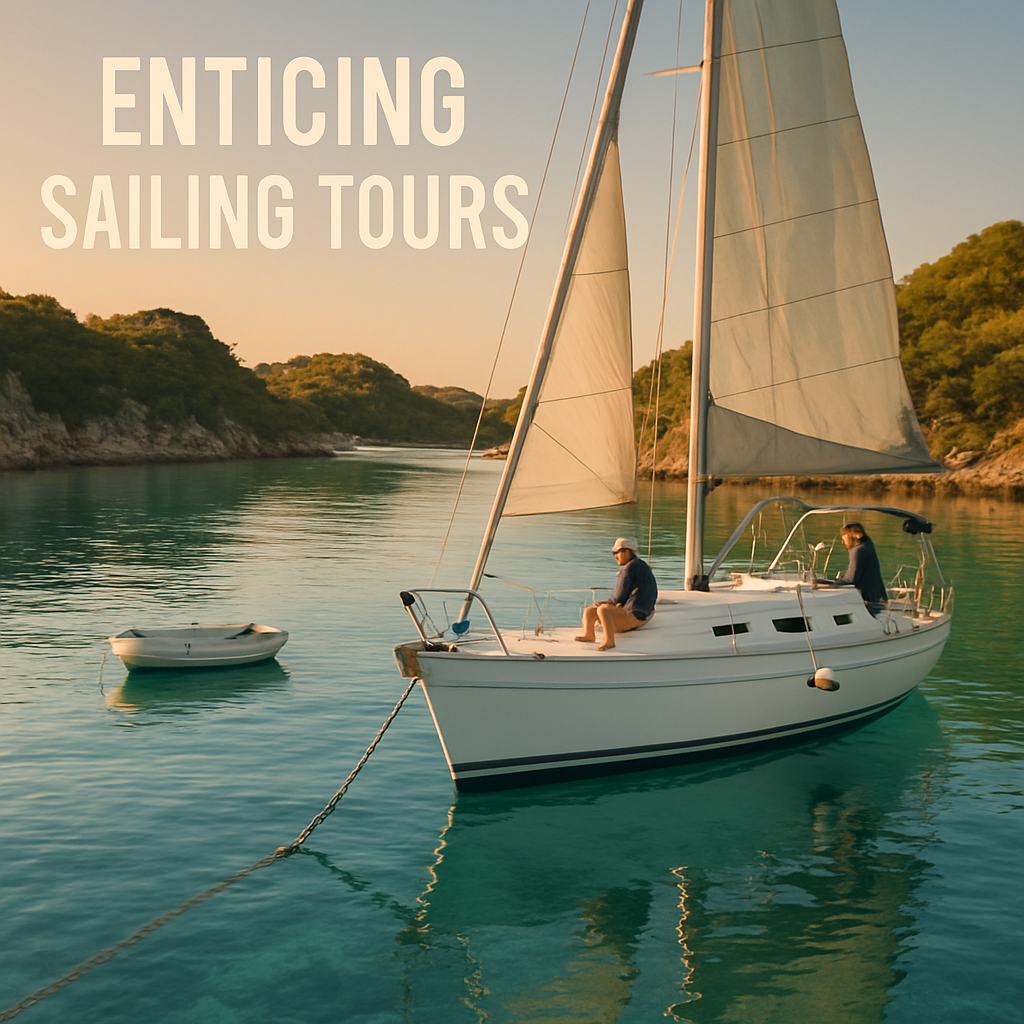
Enticing Sailing Tours are more than a sequence of waypoints—they are invitations. They lure you with sapphire water, quiet anchorages and the promise of simple routines under canvas. Whether you are new to sailing or already logging miles on bluewater trips, the right tour opens pathways to confidence, discovery and lasting enjoyment. This guest post from Tamtam Sailing will guide you through coastal and island routes, beginner-friendly itineraries, planning checklists, safety essentials and community tips so that every voyage is both safe and deeply rewarding.
Enticing Sailing Tours: Exploring Coastal and Island Routes with Tamtam Sailing
When choosing an enticing sailing tour, the first question is often: do you prefer coastal drama or island calm? Each option offers a very different mood, rhythm and set of practical considerations. The following sections compare the two approaches and illustrate typical route types to help inform planning and expectations.
For those curious about northern archipelagos, a detailed guide to Baltic Sea Sailing highlights sheltered passages, intricate island mazes and the seasonal rhythms that define cruising in that region. The Baltic’s shallow waters and myriad islets reward careful planning and offer countless quiet anchorages; this link connects readers to route suggestions, local tips, and safety notes that help frame an enticing tour in cooler, less crowded seas.
If warm water and turquoise bays are more to your taste, exploring Caribbean Sailing Routes gives a clear sense of how island-hopping can be both relaxed and adventurous. The Caribbean’s trade winds and close island spacing make it ideal for relatively short daily passages, and the linked resource outlines favored anchorages, seasonal considerations and ways to combine sailing with beach time and local culture ashore.
For classical Mediterranean charm, the Mediterranean Island Hops overview presents sunlit coves, bustling harbors and the culinary delights that await between passages. These itineraries suit mixed groups—families, friends and learners—because shore facilities are plentiful, local history is rich and day-sail options accommodate a wide range of abilities; the linked pages provide practical route ideas and seasonal guidance.
If fjords and towering cliffs are appealing, the Norwegian Fjord Voyages guide explains narrow channels, tidal flows and dramatic anchor spots that create unforgettable experiences. Such voyages commonly combine short scenic passages with longer sheltered stretches; familiarizing oneself with local regulations, prevailing winds and anchoring techniques makes this otherwise challenging region feel accessible and rewarding for adventurous crews.
Along the western seaboard, Pacific Coast Cruises examine long coastal legs, island chains and the blend of sheltered bays and open ocean that defines the coastline. These routes require attention to weather windows and proper provisioning; the linked overview helps readers plan staging points, scenic highlights and the gear that transforms a good trip into a memorable one.
For a broad entry point to planning and inspiration, the main site at tamtam-sailing.de collects community insights, regional guides and gear reviews that support enticing sailing tours of many kinds. Browsing the homepage and related sections provides a sense of the community’s practical, encouraging tone and directs readers toward deeper guidance for the specific region under consideration.
Coastal Routes — Texture and Variety
Coastal sails deliver changing scenery, short hops and frequent landfall options. Expect rocky headlands, tidal estuaries and small fishing ports. These tours are well-suited for those who appreciate variety—one moment observing seabirds, the next tied to a quay enjoying fresh seafood ashore. Conditions can change with tidal streams, so careful planning is essential, but the reward is regular contact with civilization and convenient bail-out options.
Island-Hopping Routes — Leisure and Discovery
Island-hopping offers a different tempo: longer legs at times, but abundant secluded bays and prime snorkeling spots. Archipelagos present micro-climates, hidden coves and a sense of remoteness without committing to weeks at sea. For many, an enticing sailing tour consists of visiting several islands in one trip—each with its own character, small villages and anchoring etiquette.
Route Types to Consider
- Scenic cliff and headland runs for photographers and day-sailors.
- Protected estuaries and river entrances for wildlife watching and sheltered waters.
- Archipelago circuits for flexible itineraries with frequent anchorages.
- Harbor-to-harbor flotillas for social sailing and enhanced safety in numbers.
Regions known for enticing tours include the Mediterranean islands, the Dalmatian coast, the Baltic archipelagos and many parts of the Caribbean. Climate, local culture and facilities will shape the style of any tour—select the region that best matches personal expectations and experience level.
Top Enticing Sailing Tours for Beginners: Quick Guides from Tamtam Sailing
Beginners often ask: where should one start so that the first trips are enjoyable rather than overwhelming? The effective approach is to select short, realistic objectives and build small achievements into each outing. The following formats are approachable and adaptable to many sailing areas.
One-Day Intro: Bays and Beaches
Ideal length: 4–8 hours. The plan is simple: depart mid-morning, sail a comfortable leg to a sandy bay, anchor for lunch and a swim, then return before dusk. This format allows practice of sail trim, helm work and anchoring in benign conditions. There is minimal pressure and maximum enjoyment.
Weekend Getaway: Two-Day Island Stopover
Ideal length: 48 hours. Day 1 typically reaches a nearby island with opportunities for a short walk ashore or a local meal; Day 2 provides a calmer return. This format introduces mooring etiquette, overnight anchoring procedures and short watch experience without a steep learning curve.
First Overnight Passage
Ideal length: one-night single crossing. Select a short offshore leg with safe harbors close at both ends. Practice watch rotation, night navigation and contingency planning. This trip instructs on how to sleep on board and how to remain composed if conditions change.
Sheltered Bay Skills Day
Devote a day to manoeuvres: man-overboard drills, heaving-to, anchoring approaches and close-quarters steering. Low stakes and highly effective—such practice builds reliable muscle memory that proves invaluable in real situations.
Community-Led Flotilla
Joining a flotilla or a crewed charter is an excellent way to learn. On-water coaching, the comfort of experienced skippers and a social atmosphere accelerate skill acquisition. Frequently, the best learning arises from shared watches and conversations over a pot of coffee.
Crafting Memorable Enticing Sailing Tours: Routes, Safety, and Gear
A trip becomes memorable when it balances solid planning with room for spontaneous discovery. The following framework protects safety while allowing for unplanned delights.
Route Planning: The Essential Steps
- Clarify objectives: Are you sailing to relax, to explore, to dive, or to practise skills?
- Match distance to capacity: Keep daily legs within the experience and endurance of the crew.
- Identify safe havens: Mark marinas, anchorages and emergency berths along the route.
- Understand tidal and current constraints: Plan arrivals and departures around tides where relevant.
- Pick a weather window: Allow buffer days—extra time makes for relaxed cruising.
Safety Measures That Preserve Trips
Safety is not synonymous with missing out; rather, it enables more enjoyment by reducing risk. File a float plan with someone ashore and practise VHF routines. Lifejackets should be used when conditions dictate and harnesses employed during exposed deck work. Regularly rehearsing man-overboard drills and basic emergency procedures will increase confidence for all aboard.
Gear Essentials for a Smooth Tour
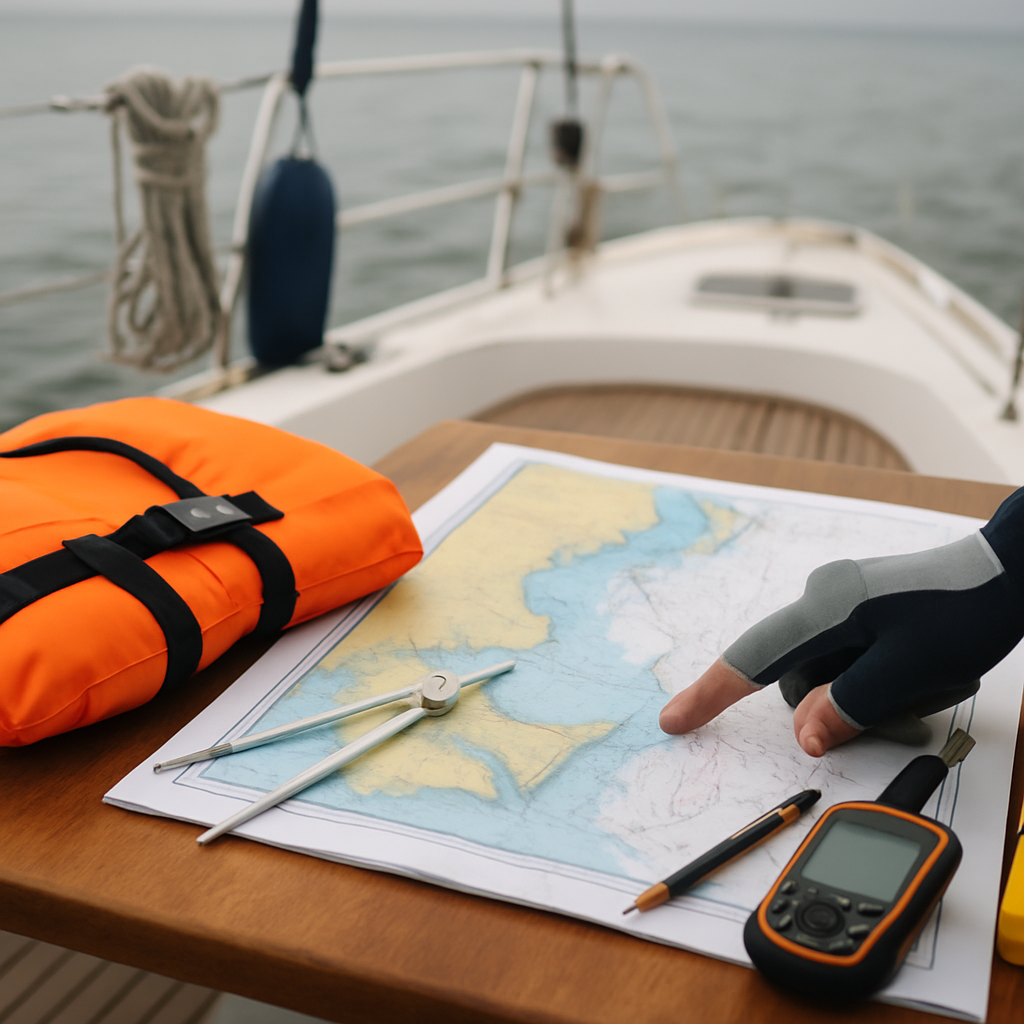
- Navigation: Chartplotter plus paper charts and a hand compass for redundancy.
- Communications: Fixed and handheld VHF, and a charged mobile phone in a waterproof pouch.
- Anchoring Equipment: Adequate anchor, chain and rode, plus a spare anchor for remote anchorages.
- Safety Kit: First aid, signaling flares or an electronic beacon, toolkit and a ditch bag.
- Comfort Items: Sun protection, layered clothing, water containers and basic galley gear.
Enticing Sailing Tours for Every Skill Level: From Shoreline Snorkels to Open Waters
A carefully considered progression keeps sailors engaged: repeated success breeds confidence. The ladder below outlines recommended tours and the competencies they develop.
Beginner: Protected Bays and Short Island Hops
Focus on sail trim, steering, basic navigation and anchoring in calm conditions. Select routes with short hops between harbours so that bail-out options are continually available.
Intermediate: Multi-Leg Coastal Circuits
Intermediate tours involve longer days and overnight legs. Experience with tide planning, provisioning and mooring in busier harbours will prove valuable. Crew members should begin to assume watch responsibilities and routine maintenance tasks.
Advanced: Open Water Crossings and Bluewater Legs
Advanced tours require confident navigation across greater distances, weather routing, heavy-weather sails and robust emergency procedures. Watch systems, redundancy and the capacity to repair at sea become essential.
| Skill Level | Typical Route | Key Focus |
|---|---|---|
| Beginner | Short bay sail → island anchorage → return | Anchoring, basic navigation |
| Intermediate | Coastal circuit with overnight stops (2–4 days) | Tide planning, provisioning, mooring |
| Advanced | Island-hopping with open crossings (multi-day) | Weather routing, watch systems |
Planning Your Enticing Sailing Tours: Practical Tips from the Tamtam Sailing Community
Planning well reduces stress at sea. The Tamtam Sailing community frequently emphasises that modest habits prevent most headaches. The following pragmatic tips have been proven in many cruising contexts.
Start with a Flexible Plan
Prepare an itinerary but retain flexibility. Include alternative anchorages and conservative time estimates. Weather has a habit of upsetting schedules—flexibility preserves enjoyment and safety.
Check Weather and Tides Early and Often
Consult reputable forecast sources and local advisories. A calm morning can become a gusty afternoon; determine go/no-go thresholds and maintain at least one contingency port for each day.
Provision Smartly
- Prefer meals that store well and are straightforward to prepare aboard.
- Carry extra water and fuel to cover potential delays.
- Replenish fresh supplies at local ports rather than overloading the vessel prior to departure.
Brief the Crew and Assign Roles
A concise 10-minute briefing before leaving clarifies expectations—helm, sail trim, lookout and emergency duties. Clear roles reduce anxiety and foster confidence among crew members.
Tap Local Knowledge
Harbormasters and local skippers know the nooks and crannies that charts do not show—ideal anchor spots, tricky currents and favoured local eateries. A brief conversation ashore often yields invaluable shortcuts to a superior experience.
Legalities and Documentation
Confirm insurance, certificates and any local permits that may be required. Carry identification, emergency contacts and proof of insurance; such administrative precautions are small yet critical.
Why Enticing Sailing Tours Make Sailing Accessible: Insights from Tamtam Sailing
Why are enticing sailing tours such effective gateways into the sport? In essence, they lower the threshold while preserving the reward.
Graduated Learning Path
Beginning with short, manageable tours secures early successes—smooth anchoring, a calm night at sea, or a straightforward entry to a new harbour. Each positive experience builds competence and encourages further learning.
Charters, Skippers and Flotillas
Chartering with a skipper, joining a flotilla or booking a skippered weekend reduces initial investment and anxiety. Participants learn by doing, without the necessity of immediate boat ownership or full technical competence.
Community Knowledge Sharing
Blogs such as Tamtam Sailing, local clubs and online forums democratise tacit knowledge—how to read a tide, where to anchor during a squall, or which small port serves the best local cuisine. That shared wisdom shortens the learning curve.
Modern Tech and Modular Gear
Advances in navigation aids, reliable VHF communications and compact safety equipment enable small crews to manage longer legs with greater confidence. Technology does not replace seamanship, but it expands the margin for prudent decisions and enhances enjoyment.
Practical Packing and Pre-Departure Checklist
A short checklist can prevent many common problems. The following list covers essentials for most enticing sailing tours:
- Float plan filed with someone ashore
- Lifejackets and harnesses for all crew
- VHF radio, handheld spare radio and spare batteries
- Charts, compass and GPS backup
- First aid kit, seasickness remedies and prescribed medications
- Anchor, chain, rode and snubber line
- Sun protection, foul-weather gear and layered clothing
- Plenty of water, easy-to-cook meals and snacks
- Charged phone, powerbank and torch with spare batteries
Case Study: A Two-Day Coastal Island Loop (Example)
To make planning tangible, the following two-day sample itinerary demonstrates how to structure a short, enticing sailing tour while preserving leisure time and learning opportunities.
- Day 1 Morning: Conduct a crew briefing, verify weather and tides, then depart mid-morning. Sail a short coastal leg to a nearby island and anchor in a sheltered bay for lunch and a swim.
- Day 1 Afternoon/Evening: Explore ashore—short hike, local café or a beach walk. Moor in a quiet cove or secure a marina berth. Enjoy dinner aboard or ashore and record the day’s lessons for future improvement.
- Day 2 Morning: Execute an early short hop to a scenic headland to practise anchoring approaches and capture calm photographs. Keep the schedule relaxed to maximise enjoyment.
- Day 2 Afternoon: Return to base before late afternoon, perform a quick systems check and debrief—what worked and what to improve—and conclude the trip satisfied after a well-run short cruise.
Frequently Asked Questions (FAQ)
What are the best enticing sailing tours for beginners?
For those beginning, the best enticing sailing tours are short day sails, sheltered-bay circuits and one-night island stopovers. These formats allow practice of essential skills—anchoring, basic navigation and mooring—without long offshore commitments. Consider joining a flotilla or booking a skippered weekend to gain supervised experience and increased confidence.
How should one plan an enticing sailing tour?
Planning should begin with clear objectives, realistic daily distances and identification of safe havens. Check tides and local weather, allow buffer days, and prepare a float plan left ashore. Provision sensibly and brief the crew on roles and emergency procedures prior to departure; local knowledge from harbormasters is invaluable.
How much does an enticing sailing tour typically cost?
Costs vary widely depending on region, vessel type and whether a skipper is hired. Expect day sails to be relatively inexpensive, while multi-day charters or skippered trips increase cost. Budget for fuel, mooring fees, provisions and basic insurance; consult local charter companies for precise quotes tailored to the desired itinerary.
Are enticing sailing tours safe for families and older participants?
Yes—when routes are chosen to suit ability levels and safety precautions are observed. Gentle bays, reliable anchorages and skippered charters make tours family-friendly. Ensure lifejackets fit all passengers and brief everyone on basic safety routines before departure to enhance safety and comfort.
Do I need formal qualifications to join a tour or charter a boat?
Requirements depend on local regulations and the charter type. Skippered charters do not require personal qualifications, whereas bareboat charters commonly request basic certificates or demonstrable experience. Verify documentation with the charter operator well before booking.
What essential gear should be prioritised for an enticing sailing tour?
Prioritise reliable navigation (chartplotter and paper charts), communications (VHF, handheld radio), safety (lifejackets, first aid, signaling devices), anchoring equipment and sufficient provisioning. Dress in layers and include sun and foul-weather protection. Redundancy—spare batteries, a handheld GPS and backup lines—improves resilience.
When is the best season for enticing sailing tours?
The optimal season depends on region: summer is typically best for the Mediterranean and Baltic, while the Caribbean has a distinct high season outside hurricane months. Local climate, prevailing winds and peak tourist seasons should inform scheduling; consult regional guides for precise timing and weather-window advice.
Can enticing sailing tours be combined with other activities?
Absolutely. Snorkeling, coastal hiking, photography and sampling local cuisine ashore are popular complements. Plan anchorages near beaches or villages to permit easy access to these activities while keeping sailing legs manageable for the crew.
How can one find trustworthy local advice and community support?
Trustworthy information is often available from harbormasters, charter operators, local sailing clubs and community blogs like Tamtam Sailing. Engage with regional forums and social groups to obtain recent route notes, anchorage tips and practical recommendations.
What should be done in case of an emergency during an enticing sailing tour?
Prior preparation is crucial: have an emergency plan, VHF distress procedures rehearsed and a ditch bag ready. In case of severe emergencies, use VHF mayday channels or relevant coastguard services immediately. For medical issues, stabilise the patient, administer first aid and decide whether to proceed to the nearest safe harbour or request professional assistance.
Conclusion & Next Steps
Enticing Sailing Tours offer a welcoming entry into sailing by combining manageable routes, thoughtful planning and supportive communities with rewarding experiences. Begin with short, well-prepared trips, rely on local knowledge and community resources, and permit each voyage to build competence incrementally. If ready to proceed, select a nearby archipelago or coastal loop, assemble a modest kit, brief the crew and choose a conservative departure window. Consider booking a skippered weekend to gain additional confidence. Maintain a curious and relaxed attitude—the sea rewards thoughtful exploration and excellent adventures lie ahead.