Set Sail for Sunlit Shores: How Mediterranean Island Hops Turn Weekends into Lifelong Memories
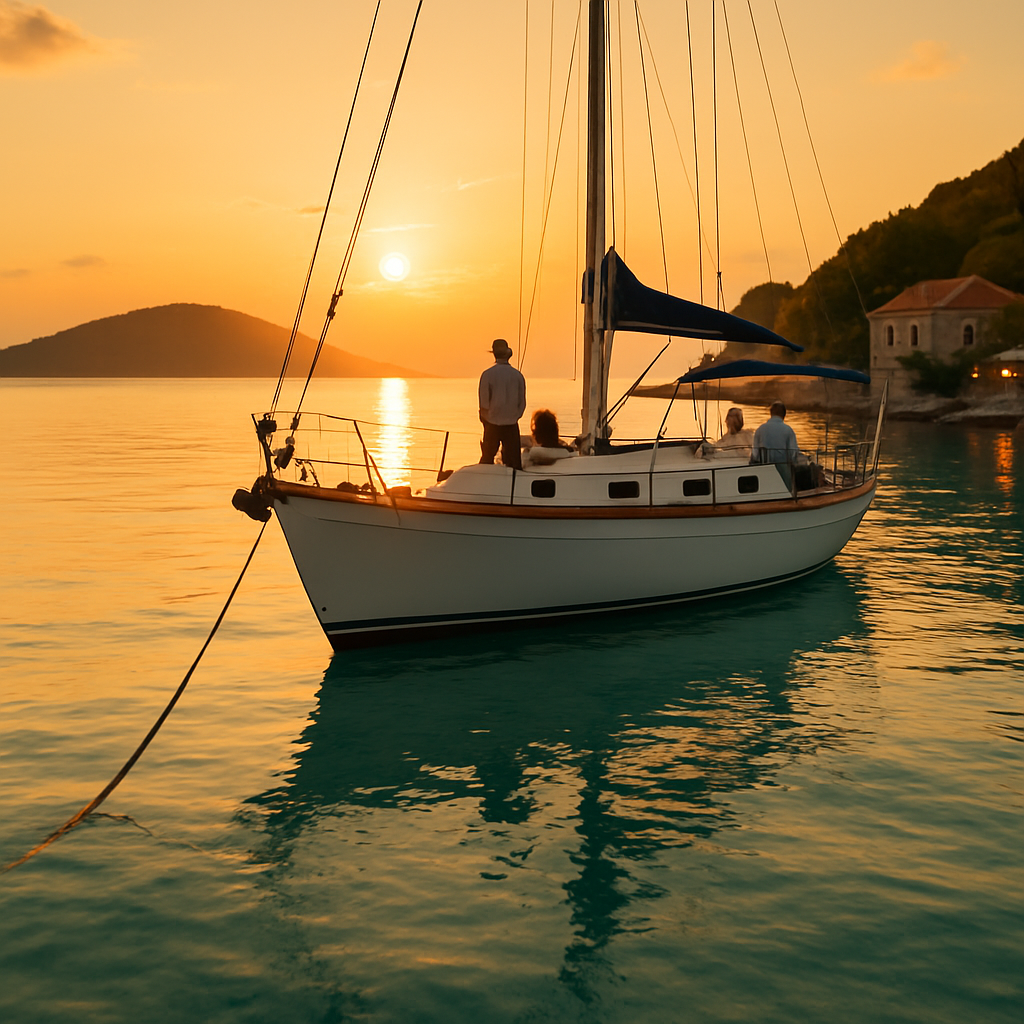
Imagine turquoise coves, tavernas where fishermen tell stories over grilled octopus, and evenings spent watching the sky blush behind an island silhouette. Mediterranean Island Hops make that possible—whether Sie are a first-time sailor or someone who craves short, soulful passages between islands. In diesem guest post erkläre ich Schritt für Schritt, wie Sie diese Abenteuer planen, welche Ausrüstung wirklich zählt, wann die beste Reisezeit ist, welche Routen sich für 7- bis 10-tägige Törns eignen, worauf Sie in Sachen Sicherheit und Etikette achten sollten und wie Sie das Ganze kostengünstig gestalten können.
For readers looking to broaden their sailing horizon and draw useful comparisons, our Caribbean Sailing Routes page showcases a different island-hopping culture that can inspire Mediterranean planning. The Caribbean’s short hops, warm trade winds, and sheltered anchorages teach valuable lessons about provisioning, reef etiquette, and snorkeling spots that apply equally well to Mediterranean Island Hops. If Sie study those routes, Sie will pick up practical ideas for combining short sails with memorable shore excursions and for organizing provisions and timing between ports.
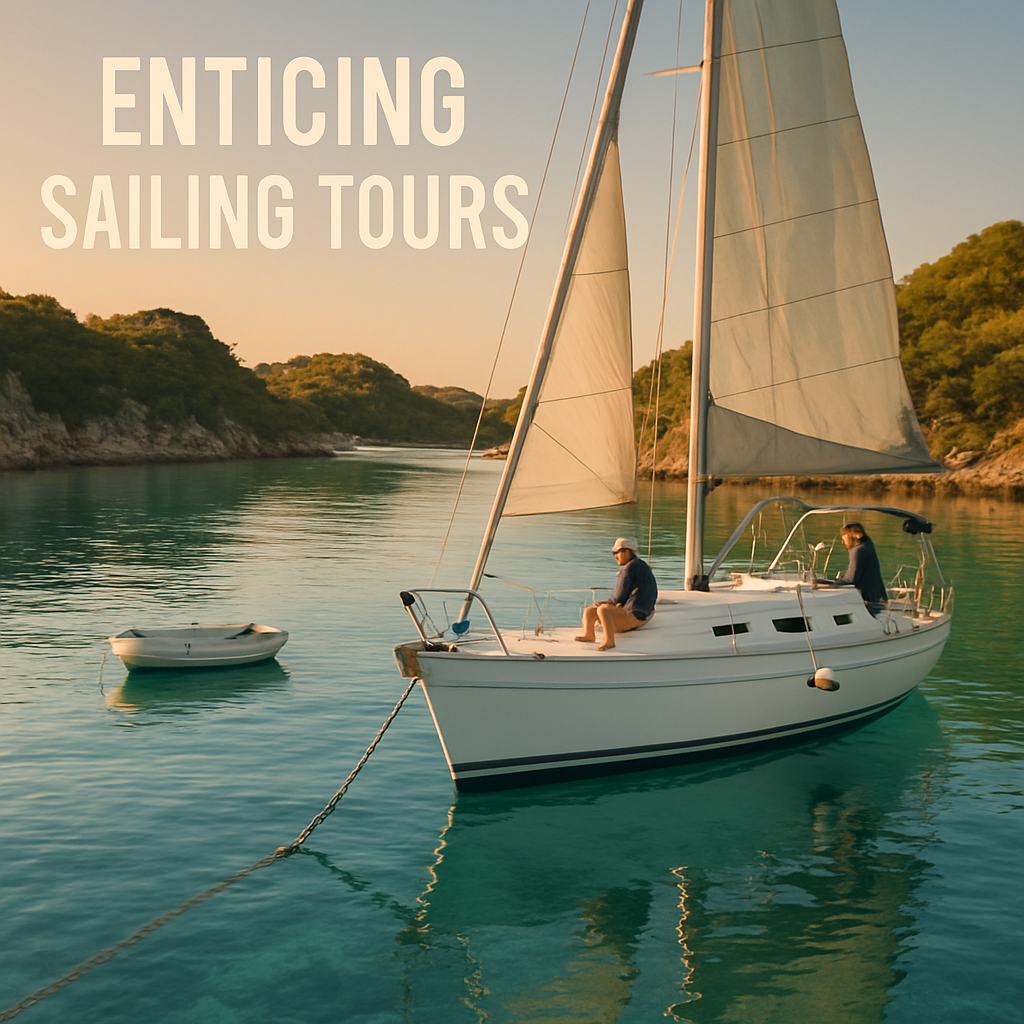
If Sie would like a curated overview of varied itineraries and the kinds of experiences to expect, visit our Enticing Sailing Tours collection, which brings together routes from different seas and climates. Browsing those tours will give Sie concrete examples of how to pace a week-long cruise, how onshore activities complement days at sea, and which tour styles fit different budgets and crew compositions. These comparisons can help you shape Mediterranean Island Hops that match your mood—relaxed and explorative or action-packed and social.
To compare longer coastal legs and the logistics of provisioning over extended distances, the Pacific Coast Cruises section provides clear lessons on reading coastal weather, planning fuel stops, and choosing safe anchorages. While the Pacific and the Mediterranean differ in scale and swell, many practical takeaways—such as staging checkpoints, balancing engine versus sail time, and preparing for sudden weather shifts—translate directly to smarter, more confident Mediterranean Island Hops, especially on 10-day itineraries where endurance and planning matter.
Mediterranean Island Hops: A Beginner’s Guide to Sailing the Sunlit Isles
Mediterranean Island Hops klingt nach Luxus — und das kann es sein — aber mit ein wenig Planung ist es erstaunlich zugänglich. Das Wichtigste zuerst: realistic expectations. Viele Anfänger überschätzen, wie viel sie an einem Tag schaffen können, oder unterschätzen lokale Wetterphänomene. Halten Sie die Etappen kurz, planen Sie Puffer ein und wählen Sie eine Region mit geschützten Buchten, wenn Sie unsicher sind.
Why island hopping is ideal for beginners
Short crossings, frequent sheltered anchorages, and accessible ports make the Mediterranean islands very forgiving for learners. Each island offers provisioning, medical services, and chances to explore on foot—so Sie rarely need to commit to long stretches at sea to have a rich experience. Plus, the variety means you can adapt a plan mid-trip without losing much.
Choose the right base and boat
Your departure base largely determines the cluster of islands you’ll visit. Popular bases include Athens for the Cyclades, Split for Dalmatia, Palma for the Balearics, and Milazzo for Sicily/Aeolian islands. Charter a boat that matches your comfort: bareboat if Sie have credentials and confidence, or a skippered boat when you prefer local expertise. Catamarans give space and stability at anchor; monohulls are often cheaper and nimbler in tight marinas.
Basic skills to have before you go
Even with a skipper, basic seamanship helps safety and enjoyment. Practice mooring and anchoring, learn basic navigation and chart reading, understand weather forecasts and local wind systems, and be familiar with VHF radio operation and distress protocols. These skills make the trip more relaxed and enable Sie to participate confidently in daily maneuvers.
Planning realistic legs and downtime
On island hops, shorter legs (2–4 hours) allow time for swimming, exploring towns, and handling unexpected delays. Build rest days into your itinerary—one full day ashore every three to four sailing days keeps the group fresh and allows for laundry, provisioning, and discovering local culture.
Essential Gear for Mediterranean Island Hops: What Every Sailor Needs
Pack smart. The key is to avoid both stuffing the boat with unnecessary items and forgetting the essentials. This checklist balances safety, navigation, comfort, and basic repairs so Sie can focus on the experience rather than improvising at inopportune moments.
- Safety & Navigation
- Up-to-date charts and a GPS/chartplotter (or smartphone with offline maps)
- VHF radio (fixed and/or handheld) and knowledge of channel usage
- Lifejackets for all passengers and a throwable floatation device
- EPIRB or PLB (mandatory on some charters or recommended for offshore legs)
- Flares, horn, and first aid kit
- Anchoring & Mooring
- Spare anchor rode and anchor knife
- Extra fenders and sturdy mooring lines
- Comfort & Daily Use
- Lightweight foul weather jacket and layers for cool evenings
- Quick-dry clothing, swimwear, and sunhat
- Reef- or deck-friendly shoes
- High-SPF sunscreen and UV-protective sunglasses
- Provisioning & Cooking
- Reusable water bottles, insulated flask
- Compact cooler bag and basic spices, olive oil, salt
- Small toolkit and spare parts: fuses, shackles, duct tape, multi-tool
- Electronics & Extras
- Power bank and universal travel adapter
- Underwater camera or smartphone with waterproof case
- Books/guides, deck games, and snorkeling gear
What people often forget
A small red-light flashlight, earplugs for quiet sleep in busy harbors, and a printed list of emergency contacts and harbour masters are tiny things that save time and stress later. These small conveniences add up to better nights and smoother problem-solving when things aren’t perfect.
Best Time for Mediterranean Island Hops: Weather, Winds, and Route Planning
Timing matters. Sea state, wind patterns, crowding, and prices all depend on the season. Here’s a practical seasonal breakdown and key wind notes for the main island regions so Sie can choose when to go based on skill and desired atmosphere.
Spring (April–June)
Pros: Mild temperatures, fewer tourists, cheaper charters. Nature is green and flowering. Winds can be lighter early in spring—ideal for learners. Cons: Some island services open later, and sea temperatures remain cool for swimming early in the season.
High Season / Summer (July–August)
Pros: Warm water, long days, full services in marinas and ports; great for swimming and nightlife. Cons: Busy marinas, higher prices, and strong regional winds (notably the Meltemi in the Aegean) that can make passages more challenging and require experienced handling.
Autumn (September–October)
Pros: Often the best compromise—warm seas, fewer crowds, and more moderate winds. Many charters offer late-season discounts. Cons: Services begin to wind down in late October; weather can be more variable and require flexible plans.
Winter (November–March)
Mostly for experienced sailors or long-term cruisers. Many marinas and facilities are closed; commercial charters are limited and services reduce considerably. Not recommended for first-time island-hoppers.
Regional wind notes
- Aegean (Greece): Meltemi (strong northerly winds) mid-July to August—plan sheltered anchorages and avoid long passages during peak Meltemi days.
- Ionian (west Greece): Generally milder winds, excellent for beginners and families.
- Adriatic & Dalmatia (Croatia): Bora (cold, katabatic north-easter) and Jugo (SE) are the main local winds—check forecasts and plan for sheltered anchorages.
- Balearics & Western Mediterranean: Summer thermal breezes are common; unexpected squalls can appear—keep an eye on forecasts.
Top Mediterranean Island Hops Routes: 7- to 10-Day Itineraries
Below are practical sample itineraries tailored to island clusters that are ideal for 7- and 10-day hops. Each itinerary assumes moderate sailing times and built-in days for exploration and rest.
Greek Cyclades — 7-Day Sample (Athens base)
- Day 1: Embark in Lavrion/Alimos, sail to Kea (relax, swim)
- Day 2: Kea to Kythnos (hot springs, small villages)
- Day 3: Kythnos to Serifos (traditional town, beaches)
- Day 4: Serifos to Sifnos (great food, pottery)
- Day 5: Sifnos to Paros (evening in Naoussa)
- Day 6: Paros to Antiparos (beaches and caves)
- Day 7: Return to base (or extended stop in Mykonos if time)
Greek Cyclades — 10-Day Expansion
Add Naxos, Ios, and Santorini for volcanic landscapes and more varied coastal culture. Use the extra days to include longer overnight hops when winds are favorable and to give slack days for exploring iconic towns and beaches without rushing.
Croatia — 7-Day Split to Hvar Loop
- Day 1: Embark in Split, sail to Šolta
- Day 2: Šolta to Hvar (town and fortress)
- Day 3: Hvar to Pakleni Islands (anchor and swim)
- Day 4: Pakleni to Vis (wine and quieter coves)
- Day 5: Vis to Komiža/Vlis (authentic island life)
- Day 6: Komiža to Brač (Bol and Zlatni Rat beach)
- Day 7: Return to Split via Milna
Balearics — 7-Day Mallorca–Menorca–Ibiza
- Day 1: Embark Palma, sail to Andratx or Cala d’Or
- Day 2: West coast coves or transfer toward Cabrera
- Day 3: Sail to Menorca (Maho or Ciutadella)
- Day 4: Explore Menorca beaches
- Day 5: Sail to Ibiza (quiet anchorages or nightlife)
- Day 6: Formentera day trip and beach time
- Day 7: Return to Mallorca
Sicily & Aeolian Islands — 10-Day Classic
Start in Milazzo and visit Vulcano, Lipari, Salina, Stromboli (view the volcano), and Panarea. This route offers dramatic scenery and geothermal attractions—plan extra time for volcano viewing and weather contingencies, and be mindful of local regulations around active volcanic areas.
Safety, Sailing Etiquette, and Tips for Mediterranean Island Hops
Respect for safety and local norms will make your trip smoother and more enjoyable for locals and other sailors. A little courtesy and preparation transforms a good trip into a memorable one for everyone involved.
Safety basics
- Always brief your crew on lifejackets, the first-aid kit, man-overboard procedure, and where to find fire extinguishers.
- Check fuel and water reserves each morning. Monitor consumption, especially if running engines between islands.
- File a float plan with someone ashore and update it if you change route.
- Use anchor alarms or set trip lines in crowded anchorages when necessary.
Sailing etiquette
- Keep noise to a minimum at night; many towns enforce quiet hours.
- Respect protected marine areas—some anchorages restrict anchoring or have mooring buoys to protect posidonia meadows.
- When approaching marinas, reduce speed and follow local signage—ask for berth guidance from harbor masters when unsure.
- Share space: in busy anchorages, position so you don’t impede others’ swing room.
Local regulations and paperwork
Carry passports, yacht documentation, and proof of insurance. If crossing international waters (e.g., Greece to Turkey), research customs and visa requirements and allow time for clearing ports of entry.
Budget-Friendly Mediterranean Island Hops: Cost-Saving Tips for Beginners
Sailing can be done on a budget with smart choices. Here are ways to lower costs without sacrificing safety or comfort, so Sie can enjoy more time on the water for less money.
Charter smart
- Travel shoulder season (May–June or September–October) to avoid peak rates and crowds.
- Book early-bird deals or last-minute offers depending on flexibility. Off-season charters can be significantly cheaper if Sie don’t need summer weather.
- Consider a skippered share (splitting cost of a boat and skipper with other travelers) instead of full bareboat charters.
Cut daily costs
- Anchor overnight where safe instead of always paying marina fees—anchorages are abundant in many regions of the Med.
- Provision locally: buy local produce and cook onboard. Eating out every night adds up fast in tourist hotspots.
- Carpool fuel costs and mooring fees among crew; agree on a clear cost-sharing plan before departure.
Equipment & insurance savings
- Bring basic snorkels and masks to avoid rental fees ashore.
- Take out a well-reviewed but cost-effective charter insurance policy—this can save large sums in event of damage.
Packing and Planning Timeline
Use this simple timeline to prepare two to four weeks before departure so Sie avoid last-minute stress and ensure the boat is provisioned and ready.
- 3–4 weeks: Book charter and accommodation if needed, check passports and visas.
- 2 weeks: Plan route, buy basic provisions, download route charts and weather apps.
- 1 week: Confirm crew list, assign roles, compile safety brief and shopping list.
- 2 days: Pack bags (soft-sided luggage is best), check-in with charter, confirm berth times.
Frequently Asked Questions
Do I need a license to charter a boat for Mediterranean Island Hops?
In many popular Mediterranean countries, Sie will be asked to provide proof of competence for bareboat charters. Requirements vary: Greece, Croatia, and Spain commonly ask for national certificates or ICC equivalents for larger yachts. If Sie do not hold the required license, a skippered charter is the usual alternative and often recommended for first trips. Always check the specific base’s documentation rules well before departure to avoid surprises at embarkation.
What is the best time of year for Mediterranean Island Hops?
The optimal season depends on priorities. Spring (April–June) and autumn (September–October) offer warm water, lighter crowds, and more moderate winds—ideal for learners and budget-conscious travellers. High summer (July–August) guarantees heat, lively nightlife, and full services but brings crowds, higher prices, and region-specific strong winds such as the Meltemi in the Aegean. Winter charters are possible but suit experienced sailors and those prepared for reduced services.
How much sailing experience do I need to complete a typical 7–10 day island hop?
For short daily legs and sheltered regions, basic seamanship and comfort with lines and short passages are often sufficient, especially on a skippered charter. If Sie plan overnight passages or travel during peak-wind periods, more experience is required. Practical skills—mooring, anchoring, chart-reading, and VHF use—significantly increase safety and enjoyment. Consider joining a flotilla or hiring a skipper if Sie are unsure about crew experience.
How much should I budget for a week-long Mediterranean Island Hops trip?
Costs vary widely by season, boat type, and region. Expect charter rates to form the largest share; add provisioning, fuel, marina fees, and a security deposit or deductible. In shoulder season, shared skippered options and last-minute deals can lower the price substantially. Plan a clear split of running costs among crew and set aside an emergency fund for weather delays, customs fees, or repairs.
What should I pack for a Mediterranean sailing trip?
Pack lightweight, quick-dry clothing, layered items for cooler nights, reef-safe sunscreen, a sunhat, and non-marking deck shoes. Bring personal medication, a compact first-aid kit, and a printed emergency contact list. Soft-sided luggage works best on board. Small, practical extras like a red-light torch, earplugs, snorkel gear, and a pocket multitool make life easier. Check the charter inventory list—some items may be supplied.
Is island hopping safe for families with children?
Yes, many regions are family-friendly when Sie choose sheltered waters (for example, the Ionian Islands) and travel off-peak. Ensure that appropriate child-sized lifejackets are available and that children understand basic safety rules on deck. Plan shorter legs, frequent stops for swimming and rest, and accommodations ashore on days with limited wind. Clear communication among adults about roles and watch schedules also improves safety for everyone on board.
How does insurance and the security deposit work for charters?
Most charters require a security deposit and offer an insurance package that reduces your financial exposure. The deposit covers damage or theft; the deductible is the amount Sie would be liable for if damage occurs. Read the insurance terms carefully: understand covered risks, exclusions, and whether fuel, dinghy damage, or towing are included. Consider adding extra coverage for peace of mind on longer or riskier passages.
Can I cross national borders during my Mediterranean Island Hops trip?
Border crossings are common but require planning. Carry passports, boat registration, and insurance documents, and be aware of each country’s clearance procedures. Some countries require advance notification or specific hours for customs. Visa rules may apply depending on nationality. Allow time in your itinerary for formalities and expect additional fees or paperwork when entering non-EU or special jurisdictions.
How should I handle anchoring to protect the environment and follow local rules?
Avoid anchoring over seagrass beds (Posidonia), which are ecologically important and often protected. Use designated mooring buoys when available. When anchoring, set adequate scope, check the holding, and give ample swing room to other boats. Respect local signage and marine park rules; fines can be costly and damage is irreversible. Simple care preserves anchorages for everyone and aligns with sustainable cruising practices.
Should I hire a skipper or take a skippered-share option?
Hiring a skipper adds local knowledge, reduced stress, and higher safety margins—valuable for first-time island-hoppers or crews short on experience. Skipper-share options split costs and let Sie learn while relying on an experienced hand for tricky maneuvers or passages. If Sie want full control and have sufficient competence and paperwork, bareboat is rewarding but requires clear pre-trip planning and agreed crew responsibilities.
Conclusion
Mediterranean Island Hops combine accessible sailing, stunning scenery, and rich cultural encounters. By choosing the right season, preparing essential gear, planning sensible itineraries, and observing local etiquette and safety guidelines, even beginners can enjoy an unforgettable sea adventure. If you focus on realistic daily legs, smart provisioning, and respectful anchoring, you’ll maximize fun and minimize stress—leaving plenty of time to soak up sunsets, secluded coves, and seaside tavernas.
Ready to plan your next island hop? Use these guidelines to tailor an itinerary that fits your experience, timeframe, and budget—and remember that a bit of preparation goes a long way toward smooth sailing.