Discover the Coastline You’ve Been Dreaming Of: Why Pacific Coast Cruises Should Be Your Next Adventure
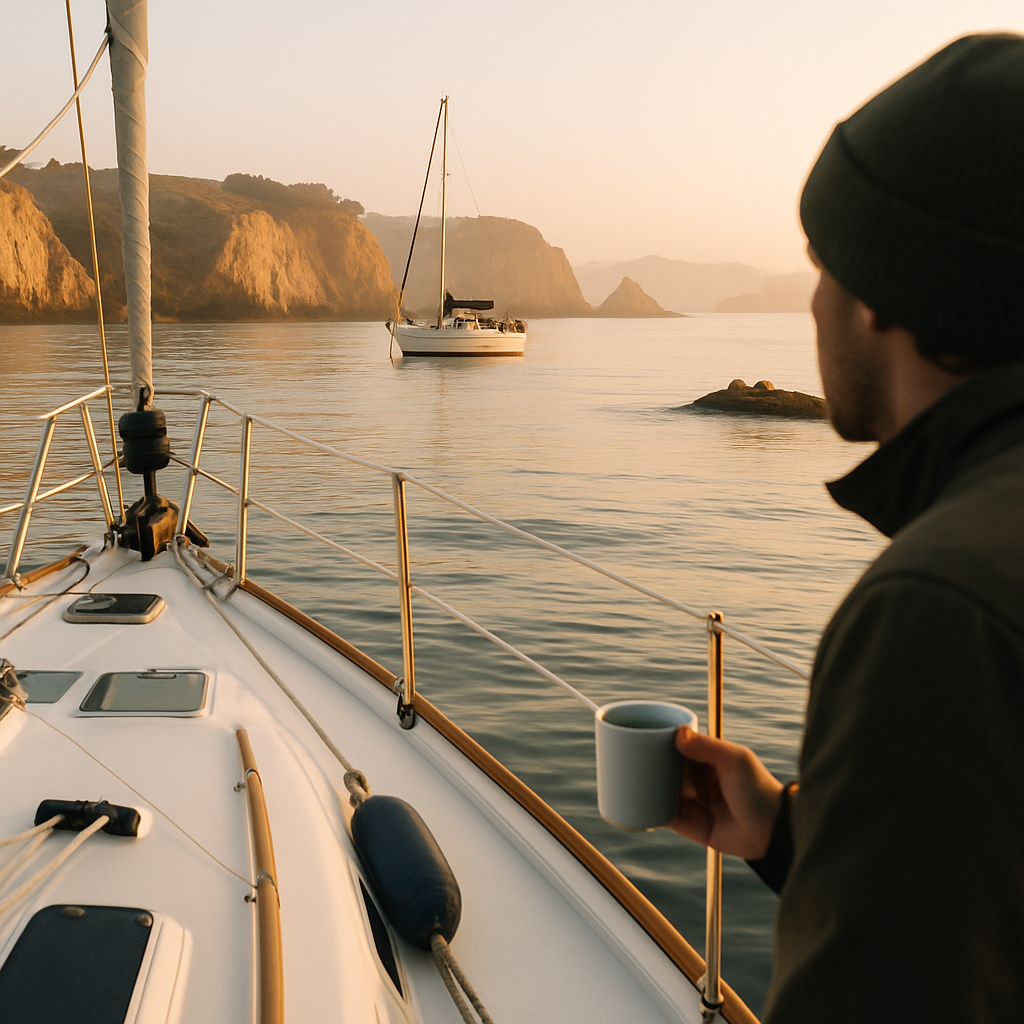
Imagine waking to a sunrise that paints cliffs gold, sipping coffee as seals greet the morning, and navigating between islands that seem made for quiet exploration. If that sounds appealing, then Pacific Coast Cruises offer precisely the blend of scenery, challenge, and pure salt-air joy you seek. This guest post from Tamtam Sailing guides you through routes, seasons, boat choices, gear, hidden gems, budgets, booking tricks, and onboard etiquette—so you can plan a cruise that’s safe, affordable, and unforgettable.
Routes, Seasons, and Safety
Typical Pacific Coast Routes
Before selecting a specific stretch, it can help to look at other coastal cruising examples and extract useful practices. For inspiration on provisioning, island-hopping strategies, and how different regions handle anchorages, take a look at Tamtam Sailing’s wider tour posts—such as Mediterranean Island Hops, which illustrate close-quarter island transitions and provisioning ideas transferable to Pacific Coast Cruises. The Baltic Sea Sailing write-ups also provide lessons on fog, tidal planning, and seasonal crowd management that are surprisingly relevant to northern Pacific legs. If you want a broader set of route ideas and trip planning resources, explore the collection at Enticing Sailing Tours, where global examples often spark practical adjustments you can apply to your own Pacific Coast Cruises itinerary.
The Pacific Coast offers diverse cruising grounds. Choose your route based on distance, skills, and interests:
- Southern California coastline: San Diego → Catalina → Los Angeles harbors → Channel Islands — great for shorter trips, wildlife, and calmer seas.
- Central California & Bay Area: Monterey → Santa Cruz → Half Moon Bay → San Francisco — scenic coastal sailing with fog and tidal currents near the Golden Gate.
- Oregon Coast: Newport → Yaquina Bay → Coos Bay — more rugged, fewer marinas, excellent for experienced cruisers.
- Pacific Northwest & Gulf Islands: San Juan Islands → Gulf Islands → Desolation Sound — protected waters, abundant anchorages, wildlife-rich.
- Inside Passage (BC to Alaska): Vancouver → Prince Rupert → Southeast Alaska — longer passages, iceberg and glacier viewing, remote anchorages.
Seasonality: When to Go
Seasons determine weather, crowds, and facilities. Here’s a quick overview:
| Region | Best Season | Considerations |
|---|---|---|
| Southern California | Year-round (best: spring–fall) | Calmer seas, mild temps, busy marinas in summer. |
| Central California & SF Bay | Late spring–early fall | Summer fog, strong tidal currents near heads. |
| Pacific Northwest & BC | Late May–September | Long daylight, mild weather; peak season crowds mid-summer. |
| Southeast Alaska | June–August | Best wildlife viewing and warmest month; be prepared for rain. |
Key Safety Considerations
Safety on the Pacific Coast depends on preparation and respect for local hazards. Prioritize:
- Weather monitoring: use multiple sources (marine forecasts, GRIB files, buoy reports). Coastal fog, frontal systems, and upwelling-driven winds can change conditions quickly.
- Tides and currents: study tide tables and current predictions—narrow passages (Golden Gate, Columbia River Bar) and inlets can have strong, dangerous flows.
- Navigation hazards: kelp beds, rocks, and shifting sandbars—use up-to-date charts and local knowledge.
- Communications: VHF with DSC, ATON awareness, and an EPIRB or PLB for emergencies.
- Float plan and check-ins: leave detailed plans with someone ashore and schedule regular check-ins.
Choosing the Right Boat for Pacific Coast Cruises
Boat Types and What They Offer
Selecting the right platform depends on intended route, crew comfort, and experience.
- Monohull keelboats (30–50 ft): versatile, good upwind performance, familiar handling. Ideal for varied conditions and long passages.
- Catamarans (40–50+ ft): spacious, shallower draft, good for stable living aboard and protected anchorages; can be less comfortable in steep Pacific swell.
- Trawlers/motorsailers: excellent range and fuel economy for long-distance coastal hops and comfortable living aboard, useful where wind is unreliable.
- Sportfishing boats and center consoles: fine for day trips and wildlife viewing but not for extended cruising or overnight comfort.
Key Features to Prioritize
For Pacific Coast conditions, look for:
- Solid hull and seakeeping: moderate displacement, well-protected cockpit, and comfortable motion.
- Reliable engine and good fuel capacity: essential for long stretches and motoring in calms or tight maneuvers.
- Navigation suite: GPS/chartplotter, backup paper charts, AIS, and radar if possible.
- Robust anchoring system: windlass, adequate chain, and a backup anchor.
- Safety equipment: liferaft (for offshore work), lifejackets with harnesses, EPIRB, handheld VHF.
- Comfort systems: heating for northern trips, good ventilation for warmer southern trips, and proper galley and refrigeration.
Checklist Before You Commit to a Charter or Purchase
- Confirm safety gear and expiry dates (flares, EPIRB battery, lifejackets).
- Test electronics and engine; request maintenance logs and service records.
- Check draft against shallow anchorages you want to visit and confirm marina access.
- Inspect sails and rigging, look for soft spots in decks and hull.
- Ask about insurance, cancellation policies, and crew competency requirements.
Essential Gear for Pacific Coast Voyages: Comfort and Safety
Navigation & Electronics
- Primary chartplotter with up-to-date charts and a handheld backup GPS.
- Paper charts and parallel rules—always have a non-electronic backup.
- AIS transceiver (receive mandatory in busy corridors); radar for poor visibility.
- VHF radio (fixed and handheld) with DSC and a watertight antenna.
- Portable battery bank, USB chargers, solar panels for extended cruising.
Safety & Emergency Equipment
- Lifejackets for every person, plus harnesses and jacklines for foul weather.
- EPIRB or PLB, floating safety sling, heaving line, and robust throwable device.
- Experienced-checked liferaft for offshore passages and survival suits in colder regions.
- Complete first aid kit and seasickness remedies.
- Spare tools, engine spares, and a well-stocked toolbox.
Anchoring, Docking, and Tender
- Primary anchor suited to seabed type, plus a lighter secondary anchor for kedge or storm situations.
- Ample rode: chain and nylon scope—more chain in exposed anchorages.
- Well-maintained tender and reliable outboard motor; dinghy is critical for exploring anchorages.
- Fenders, dock lines, and people-handling gear for safe marina operations.
Comfort & Provisions
- Layered clothing including foul weather gear, warm mid-layers, and sun protection.
- Quality bedding, good refrigeration, and a solid galley setup for provisioning remote trips.
- Freshwater capacity; consider a watermaker for extended voyages beyond well-serviced areas.
Itineraries and Hidden Gems: Pacific Coast Cruise Highlights
Short & Scenic (3–5 days): Southern California Coastal Loop
Start in Marina del Rey or San Diego, overnight at Catalina Island, visit Anacapa or Santa Cruz Island (Channel Islands National Park), and return via protected coves. Highlights: kelp forests, blue-water snorkeling, easy anchorages.
Classic Golden State Cruise (5–10 days): Monterey to San Francisco
Explore Monterey Bay, Año Nuevo State Park (elephant seals), Santa Cruz Boardwalk, and anchor near Half Moon Bay before entering the Golden Gate. Watch currents and planning for Golden Gate transit during slack currents helps a lot.
Pacific Northwest Loop (7–14 days): San Juan & Gulf Islands
Discover Roche Harbor, Friday Harbor, Ganges, and anchor in Sucia Island or Prevost Harbor. Hidden gems include Matia Island off the north end of the San Juans and the pristine coves around Stuart Island.
British Columbia & Desolation Sound (10–14 days)
Desolation Sound’s turquoise waters and glasslike anchorages are ideal for relaxation. Add the Sunshine Coast and Princess Louisa Inlet for fjord scenery and waterfalls. Plan for customs clearance and book popular anchorages in summer.
Alaska Inside Passage (2–3 weeks)
Longer passages reward with glaciers, humpbacks, orcas, and remote wilderness. Key stops: Ketchikan, Tracy Arm, Petersburg, and Glacier Bay. Respect park regulations and be prepared for variable weather.
Budget, Tips, and Booking Tricks for Pacific Coast Cruises
Typical Cost Breakdown
- Charter fees: vary by season and boat type—expect higher rates mid-summer.
- Fuel and engine hours: significant for motoring-heavy trips; estimate conservative fuel burn.
- Marina and moorage fees: higher in popular harbors; anchoring reduces nightly costs.
- Provisions and permit fees: national/regional park fees, mooring buoys, and customs fees when crossing borders.
- Insurance, safety equipment upgrades, and contingency funds for repairs.
Booking & Saving Strategies
- Book early for summer dates; mid-week departures can be cheaper.
- Consider shoulder seasons (May/September) for lower prices and lighter traffic while still decent weather.
- Negotiate extras with charter companies—fuel packages, dinghies, or reductions for flexible dates.
- Split costs by sailing with friends; group charters lower per-person costs dramatically.
- Use local provisioning services to save time and avoid last-minute grocery markups.
Cross-Border & Permit Tips
When sailing between the U.S. and Canada, complete customs reports (e.g., CanPass or reporting on arrival), carry passports, and know marina requirements. Some protected anchorages require permits or mooring reservations in high season—plan ahead.
Onboard Etiquette and Sailing Skills for the Pacific Coast
Onboard Etiquette
- Establish a watch and chore schedule from day one—clear roles reduce stress and mistakes.
- Respect shared spaces: clean as you go, contain smells (garbage and fish), and rotate cleaning duties.
- Be mindful of noise and light in anchorages—many people seek quiet and wildlife viewing.
- Conserve power and water—coordinate charging times and plan showers and laundry ashore.
- Alcohol: moderate consumption, especially for crew on watch—safety first.
Core Skills to Practice Before You Go
Brush up on these essentials before you attempt longer Pacific Coast cruises:
- Sail handling: reefing quickly, sail trim for changing wind angles, and man-overboard drills.
- Navigational techniques: plotting a course, tidal planning, using multiple navigation sources, and night navigation basics.
- Dinghy skills: safe boarding, prop-starting an outboard, and pulling the tender in/out at anchor.
- Mooring and docking: approach angles, spring lines, and tying a stern-to in narrow slips or against floats.
- Anchoring competence: set, check scope, observe swing room, and use a kedge when needed.
Emergency Drills and Protocols
Run regular drills: man-overboard recovery (helm turns, throw-rescue, and quick stop), fire response, and abandon-ship briefings. Ensure every crew member knows where safety gear is stowed and how to use radios, EPIRB, and lifejackets.
Frequently Asked Questions
What is the best time to plan Pacific Coast Cruises?
For the Pacific Northwest and British Columbia, the formal recommendation is late May through September for the most stable weather and long daylight hours. For Southern California, you may cruise year-round, though late spring to early fall usually offers the best balance of calm seas and clear days. Should you plan for Alaska, June to August is most favourable for wildlife and milder temperatures.
Which type of boat is most suitable for a mixed Pacific Coast itinerary?
Choosing the right vessel depends on your priorities: monohulls around 30–50 ft give a good mix of performance and seakeeping for diverse conditions; catamarans provide exceptional living space and shallow drafts for many anchorages; trawlers are ideal if you expect heavy motoring legs. It is recommended that you prioritize reliable engines, up-to-date navigation, and a robust anchoring setup regardless of hull type.
What safety equipment is essential for Pacific Coast Cruises?
You should carry lifejackets for all aboard, harnesses and jacklines for rough weather, an EPIRB or PLB, VHF (fixed and handheld) with DSC, and a liferaft for offshore passages. A well-stocked first aid kit, spare engine parts, and redundancy in navigation (paper charts, handheld GPS) are also fundamental for safe cruising.
Can a novice skipper undertake Pacific Coast Cruises?
Beginners may start with short, protected coastal trips and an experienced skipper onboard. For exposed passages or longer routes, formal training (such as ASA or RYA courses), incremental experience-building, and sailing with seasoned crew are prudent steps. Safety increases significantly when you combine training with practical time at sea.
How should one plan for tides and currents on the Pacific Coast?
Tidal planning is mission-critical for many passages—especially near the Golden Gate, Columbia River approaches, and narrow inlets. Consult tide tables, current atlases, and local pilot guides; plan transits around slack or favourable current windows; and always allow contingency time. When in doubt, ask local harbour authorities or marinas for recent local knowledge.
Are permits or customs formalities required when cruising between the U.S. and Canada?
Yes—cross-border travel requires advance preparation. Carry passports, complete required customs reports (for example, CANPASS where applicable), and be aware of customs reporting procedures for mariners. Some protected anchorages in Canada require mooring buoy fees or reservations in peak season, so check park and local regulations ahead of departure.
What is a realistic budget for a week-long Pacific Coast Cruise?
A week-long charter cost varies widely by boat type and season. Expect charter fees to be the largest expense, with additional costs for fuel, marina fees, provisioning, permits, and a contingency fund for repairs. To get a practical estimate, request example itineraries and line-item pricing from charter companies and add 10–20% for contingencies.
How should I manage wildlife encounters and environmental responsibilities?
Keep respectful distances from whales, seals, and bird colonies; avoid disrupting haul-outs; and follow regional wildlife guidelines for viewing. Manage food and waste carefully to reduce wildlife attraction ashore. Leave no trace principles and adherence to marine park rules protect both wildlife and future cruising opportunities.
When should I choose anchoring over staying in marinas?
Anchoring can reduce costs and provide quieter, more scenic nights, especially in protected coves. Choose marinas for reliable services, fuel, and secure berthing in inclement weather. Should you expect variable conditions or require shore services (laundry, repairs), plan occasional marina stops into your itinerary to balance convenience and savings.
Where can I find reliable weather and navigation updates while underway?
Use a combination of official marine forecasts (NOAA/NMFS for U.S. waters), buoy data, AIS traffic information, GRIB files for passage planning, and local radio weather broadcasts. Maintain redundancy by carrying a handheld VHF and keeping updated paper charts for reference. Local marina offices and harbourmasters are also valuable sources of nearshore conditions and recent observations.
Final Notes and Next Steps
Pacific Coast cruising delivers exceptional diversity—warm southern anchorages, foggy headlands, temperate rainforest channels, and glacial fjords. Successful trips combine careful planning (routes, tides, and provisioning), the right boat, essential gear, and practiced seamanship. Start small, build experience, and scale up your ambitions season by season.
For detailed itineraries, gear lists you can print, and hands-on tips from the Tamtam Sailing community, explore our guides and trip reports. Safe sailing—and may your logbook fill with great memories.