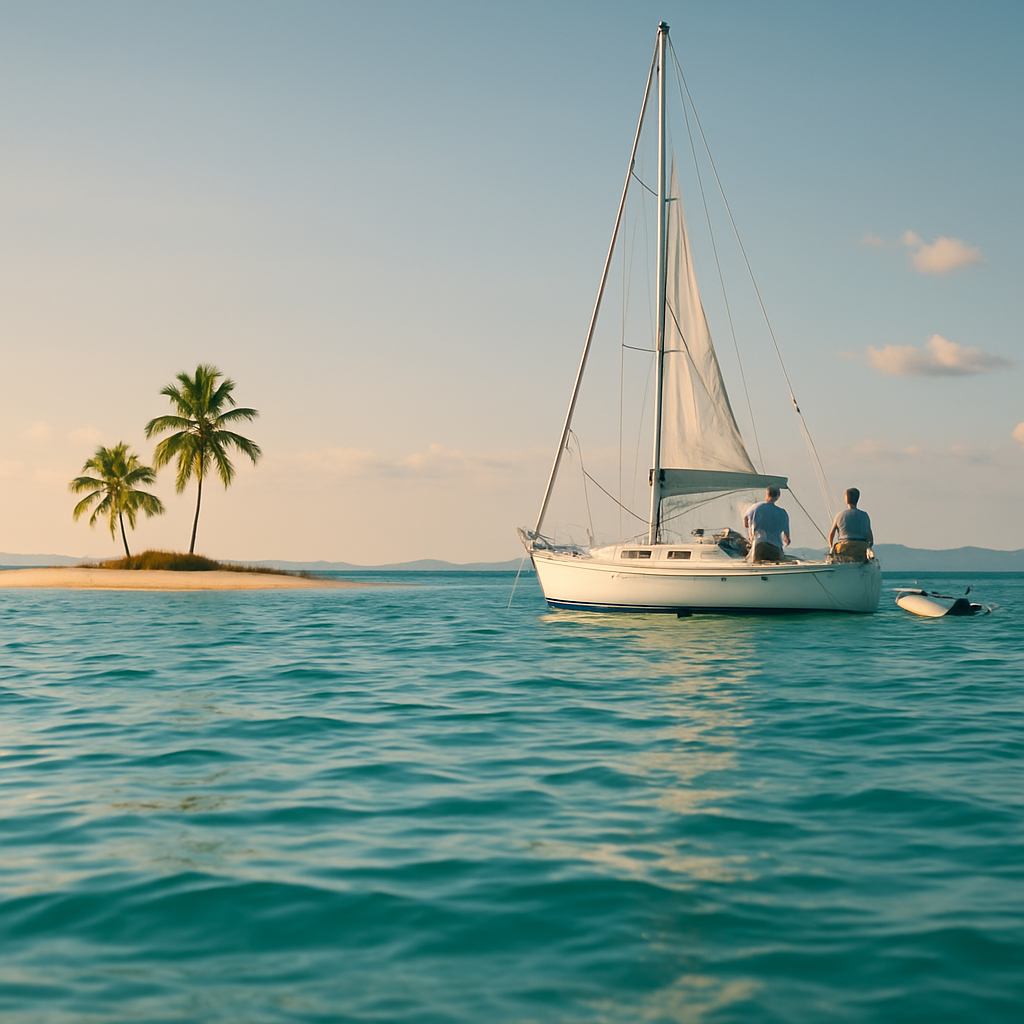
Caribbean Sailing Routes sparkle in the imagination: clear, blue water, warm trade winds, tiny cays with powder-white sand and the slow rhythm of island life. If you are planning a cruise through this part of the world, you want routes that match your skills, a safety plan that actually works, and tips for squeezing the most joy from every anchorage. This guest post from Tamtam Sailing lays out practical routes from Puerto Rico to the Grenadines, beginner-friendly options, seasonal advice, must-have equipment, hidden gems and a step-by-step planning guide so you can get on the water confident and curious.
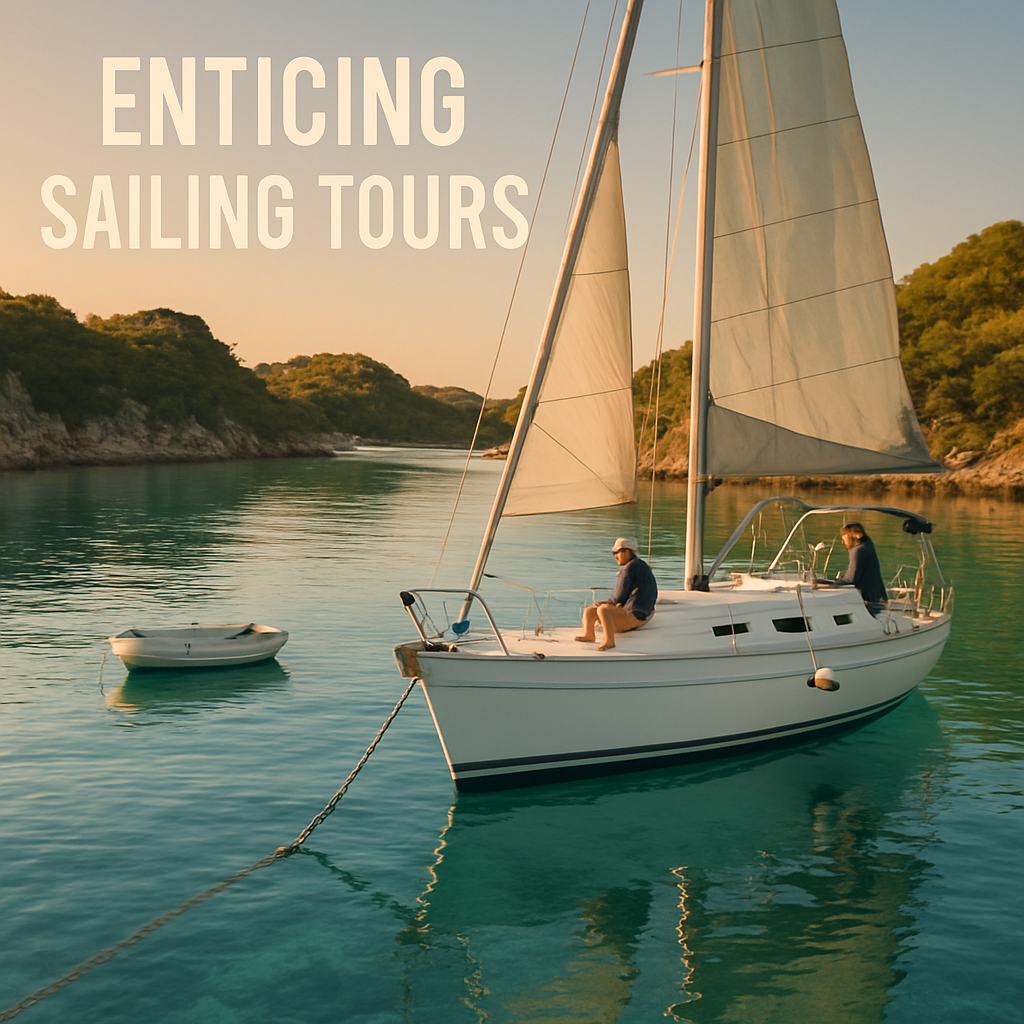
To broaden your planning and spark fresh ideas, consider curated resources that showcase varied routes and practical checklists: explore Enticing Sailing Tours for themed itineraries and inspiration, compare island-hopping techniques with examples like Mediterranean Island Hops to see how lessons translate across regions, and study contrasting adventure examples such as Norwegian Fjord Voyages to learn how geography and weather change route choices; these resources help refine your Caribbean Sailing Routes checklist and spark confident decisions on provisioning and timing.
Caribbean Sailing Routes: From Puerto Rico to the Grenadines
The chain of islands from Puerto Rico down to the Grenadines forms one of the best cruising corridors on the planet. You will find a mix of short sheltered hops and longer open-water legs, different jurisdictions to clear into, and an enormous variety of coastline to explore — volcanic shores, coral cays, and lively harbors. Below is a clear, usable progression for this southbound route, with practical notes for each leg.
Suggested progression and typical legs
Think of this route as a ladder. Take the rungs you want, skip the ones that do not suit your timetable, and leave room for the spontaneous stop that becomes the week’s favorite memory.
- Puerto Rico (San Juan) to Culebra / Vieques: Short hops, excellent provisioning, and calm anchorages to shake down systems. Typical 15–40 NM.
- Culebra / Vieques to the US Virgin Islands (St. Thomas, St. John): Protected waters and easy customs for U.S. flagged boats. Usually 20–40 NM.
- USVI to British Virgin Islands (Tortola, Virgin Gorda, Jost Van Dyke): Superb sailing with many anchorages; average 10–30 NM legs.
- BVI to St. Martin / Anguilla: Optional northern detour with international clearance; 30–50 NM depending on route.
- Leeward chain down to Guadeloupe and Dominica: More open water, changeable currents and rugged shorelines; 30–70 NM.
- Dominica to Martinique to St. Lucia: Scenic volcanic bays and good provisioning; 20–55 NM legs.
- St. Lucia to St. Vincent and the Grenadines: Classic cruising world: Bequia, Mustique, Canouan, Mayreau, Union Island; 20–70 NM depending on jumps.
- Optional: Continue to Grenada: Longer legs and a gateway to the southern Caribbean; 50–100+ NM.
Keep in mind: these distances are approximate and many cruisers prefer shorter hops with overnight stops. Currents, weather windows and local conditions will determine your exact plan. Always build margin into your daily mileage.
Top Caribbean Sailing Routes for Beginners with Tamtam Sailing
New to cruising? No problem. The Caribbean has routes that let you build confidence day by day. The secret is to choose chains with short distances between safe anchorages, straightforward navigation, and predictable winds.
Recommended beginner loops
Here are four routes that are especially beginner-friendly. They offer sheltered waters, good anchor holding and plentiful help when you need it.
- Puerto Rico — Culebra — Vieques loop: Ideal for your first multi-day cruise. Short passages, excellent snorkel spots and easy provisioning in San Juan.
- USVI loop (St. Thomas — St. John — Water Island): Close harbors, calm bays, and US customs simplicity for U.S. citizens and vessels.
- BVI week (Tortola — Virgin Gorda — Jost Van Dyke — Anegada): Compact, sheltered sailing with many anchor options and social stops — perfect for practicing mooring and night watch in a controlled way.
- Short hop: St. Lucia to Martinique: For those starting to stretch beyond day hops; choose daytime passages and avoid long overnight legs until crew experience improves.
Why these are excellent for beginners: short distances, predictable northeast trade winds (outside of hurricane season), easy-to-read charts and lots of fellow sailors to ask for guidance. Start with daytime passages, rehearse anchoring and MOB drills, and only add overnight crossings when everyone on board feels steady.
Seasonal Tips for Caribbean Sailing Routes: Weather, Winds, and Safety
When planning any Caribbean Sailing Routes, seasons matter. The weather dictates your comfort and safety more than anything else. Knowing the trade-wind pattern, the hurricane season window and local microclimates will save you headaches — and keep you out of stormy seas.
Trade winds and typical patterns
The northeast trades are the backbone of Caribbean sailing. From roughly November through June, expect consistent winds most days, usually between 10 and 20 knots. That makes for delightful beam or broad reaches and predictable passage planning. In summer months, winds can be lighter and more fickle early in the season, then pick up with a higher risk of tropical activity later.
Hurricane season and best times to sail
Hurricane season runs from June 1 to November 30, with peak activity typically between August and October. For peace of mind and better sailing conditions, most cruisers choose December through May. If your schedule forces you to sail during the hurricane season, do not go in blind: have escape plans, pre-selected hurricane holes, haul-out options and a trustworthy communication setup to receive weather updates.
Weather briefings and navigation safety
- Obtain daily weather briefings: VHF marine frequencies, coastal radio, or satellite weather are indispensable.
- Use local knowledge: currents and lee effects near islands can produce gusty wind and odd sea states. Ask marinas and other skippers about recent conditions.
- Avoid sailing directly into wind-against-current scenarios where possible; these build steep, uncomfortable waves and stress on your boat.
Common safety considerations
Safety is not glamorous, but it keeps the trip memorable for the right reasons. Here is a short, practical safety checklist to live by:
- Use lifejackets and harnesses during offshore legs; make them mandatory at night or in rough weather.
- Practice man-overboard drills regularly; the faster the response, the better the outcome.
- Carry an EPIRB or satellite communicator if you will be several miles offshore or out of VHF range.
- Identify safe harbors along your intended route in case you must divert quickly.
Essential Equipment for Caribbean Sailing Routes
Good gear can mean the difference between a relaxed cruise and a stressful one. Below is a practical, prioritized equipment list that balances safety, comfort and self-reliance. Consider this your baseline; adjust for your boat size and crew needs.
Navigation and communications
- Chartplotter and up-to-date electronic charts: primary for route planning and situational awareness.
- Paper charts and handheld GPS: redundancy matters when electronics fail.
- VHF radio with DSC and long-range option: for hailing marinas, weather and emergencies.
- AIS (transponder) and radar if possible: improves collision avoidance, especially in busy channels.
- Satellite communicator or EPIRB: essential for offshore safety and weather updates.
Anchoring, sails and mechanicals
- Good anchor(s) and adequate chain: many Caribbean bottoms are sandy but weed and coral require appropriate gear.
- Reefing systems and storm sails: easy and rapid reefing saves nerves and gear.
- Spare parts kit: impellers, belts, filters, basic rigging spares and tools to keep you moving.
- Reliable dinghy and engine: you will use the dinghy constantly for shore runs; make it sturdy and well-maintained.
Safety and medical
- Lifejackets and harnesses: one for each person plus safety tethers.
- Life raft and rescue gear: for bluewater legs beyond immediate coastal hopping.
- Well-stocked medical kit and training: know how to use it and have contact information for telemedicine if needed.
Hidden Gems on Caribbean Sailing Routes: Cays, Bays, and Local Culture
The well-known anchorages are popular for a reason, but the real magic often happens off the beaten track. Find the tiny cays, the family-run beach bars and the unhurried towns where you can slow down and actually talk to locals.
Quiet cays and superb snorkeling
Seek out small uninhabited cays for world-class snorkeling and private beach lunches. The Tobago Cays, a protected marine park in the Grenadines, is a highlight: shallow turtle-rich waters ringed by coral and sandbanks. Anegada — remote and flat — is famous for its lobster and secluded reefs. These spots reward patience and respectful behavior.
Local culture and island life
One of the joys of Caribbean Sailing Routes is the cultural variety. From French-influenced cuisine in Martinique to the Creole rhythms of St. Lucia, each island brings its own flavor. Stop by a local market. Try a roti or a simple fried fish plate with plantains. Ask about local festivals — attending even a small parish fair can become the trip’s highlight.
Best small-island experiences
- Bequia: quiet marinas, approachable boatyards and an old-school cruising vibe.
- Union Island and the Tobago Cays: exceptional snorkeling and friendly, lively mooring fields.
- Mayreau and Petit St. Vincent: tiny islands with pristine beaches and quiet nights.
- Dominica: for cruisers who want land adventure — waterfalls, hikes and natural hot springs.
Planning Your Caribbean Sailing Route: A Step-by-Step Guide
Planning is less about rigid schedules and more about building a flexible, weather-aware framework. Here is a stepwise approach to creating a route that matches your vessel, crew and desired pace.
1. Define timeframe and cruising style
Are you on a relaxed exploration or a tight itinerary? For a short getaway, stick to one archipelago. For longer cruises, plan southbound passages with rest days and maintenance windows. Decide whether you will prioritize boating time, snorkeling, land activities or cultural stops.
2. Choose your seasonal window
December to May is the sweet spot for most sailors. If you plan on a summer cruise, identify hurricane-safe harbors and have contingency plans that include moving to a safer area if a system approaches.
3. Map daily distances and crew limits
Be realistic. For crews new to multi-day trips, 20–40 NM daytime legs are comfortable. Remember: tired crews make mistakes. Plan rest days and build in buffer time for delays like weather changes or repairs.
4. Paperwork, customs and entry procedures
Each country has its own rules. Research which islands require formal customs clearance and where you must enter or exit. Many islands have defined ports of entry that only operate limited hours; factor that into your arrival times.
5. Provisioning and fuel planning
Stock up in bigger hubs when you can. San Juan, St. Thomas and St. Martin are provisioning capitals with ample spare parts and supermarkets. Smaller islands can be charming but occasionally lack fresh produce and mechanical parts.
6. Safety and contingency planning
Identify marinas with haul-out capacity, local mechanics and an emergency medevac plan. Keep an updated list of contacts and consider travel insurance that includes yacht assistance if you will be out of range of standard services.
7. Crew briefings and watch schedules
Discuss and agree on watch rotations, sail-handling roles and emergency protocols before turning the first mooring line. Run anchoring and MOB drills early in the cruise so everyone knows their role.
8. Final checks before departure
Do a full pre-departure checklist: check fuel and water, batteries, engine, anchor gear and the dinghy. Run a short sea trial to ensure systems behave under load. Leave a float plan with someone ashore — it is a simple step that offers peace of mind.
Sample 10–14 Day Itinerary: Puerto Rico to the Grenadines (Fast-Paced)
Below is a compact, ambitious itinerary for those who want to see a lot in two weeks. Be honest about how your crew handles long days — if in doubt, slow it down. The islands will be there tomorrow.
- Day 1: San Juan — final provisioning, check-in and last-minute chores.
- Day 2: San Juan to Vieques — easy hop, quiet anchorages and beaches.
- Day 3: Vieques to Culebra — crystal waters and snorkel stops.
- Day 4: Culebra to St. Thomas — clear in, provision and prepare for BVI crossing.
- Day 5–6: St. Thomas to Tortola (BVI) — explore Sopers Hole, Cane Garden Bay and local dining.
- Day 7: Virgin Gorda — visit The Baths and remote coves.
- Day 8: BVI to St. Martin — prepare for a longer offshore leg.
- Day 9: St. Martin to Guadeloupe (overnight) — welcome to the southern chain.
- Day 10: Guadeloupe to Dominica — hiking day and natural springs.
- Day 11: Dominica to Martinique — cultural stop and provisioning.
- Day 12: Martinique to St. Lucia — scenic moorings and harbor towns.
- Day 13: St. Lucia to St. Vincent — open-water leg, keep a weather eye.
- Day 14: St. Vincent to Bequia/Union Island — arrive in the Grenadines and relax.
Final Tips from Tamtam Sailing
Sailing the Caribbean is as much about adjusting expectations as it is about seamanship. Here are a few closing thoughts drawn from countless hours on deck and even longer conversations over beach bar rum punches:
- Respect the islands: anchor responsibly in sandy areas, avoid coral, and support local businesses.
- Stay flexible: wind, weather and mechanical hiccups will rearrange your plans. Build slack days into your schedule.
- Invest in people skills: polite communication with harbor officials, friendly chats with local skippers and asking for local tips will open doors and make the cruise smoother.
- Keep learning: practice sail trim, reefing and navigation regularly. Small improvements add up quickly and make passages more enjoyable.
Frequently Asked Questions
What is the best time to sail Caribbean Sailing Routes?
For most sailors, the best window is December through May when the northeast trade winds are most consistent and hurricane risk is lowest. If you plan to cruise during June–November, prepare a hurricane strategy, identify safe harbors and monitor forecasts closely. It is wise to avoid scheduling fixed commitments during the peak hurricane months unless you have robust contingency plans.
Do I need special permits or visas to visit multiple islands?
Yes. Each island or territory has specific customs, immigration and cruising permit requirements. Some islands require you to clear in at designated ports of entry and to purchase short-term cruising permits or pay fees. It is essential to research entry rules for each country you intend to visit, carry passport copies and boat documentation, and plan arrivals during official office hours to avoid fines or complications.
Which Caribbean Sailing Routes are best for beginners?
Beginner-friendly routes include the Puerto Rico — Culebra — Vieques loop, the USVI loop (St. Thomas — St. John), and a week in the BVI (Tortola — Virgin Gorda — Jost Van Dyke). These areas offer short passages, sheltered anchorages, predictable winds outside hurricane season and plentiful marinas for support. Start with daytime sails and short overnight legs, and practise anchoring, reefing and watchkeeping before attempting longer passages.
What essential safety equipment should I carry?
At a minimum, carry lifejackets and harnesses for each person, an EPIRB or satellite communicator for offshore legs, a life raft for bluewater passages, a well-stocked medical kit and fire extinguishers. Redundancy is important: bring backup navigation tools (paper charts, handheld GPS), spare parts for critical systems and effective communication means such as VHF with DSC and a satellite messenger.
How do I plan for provisioning and fuel on longer Caribbean Sailing Routes?
Plan to provision and top up fuel at major hubs such as San Juan, St. Thomas and St. Martin where supermarkets and parts suppliers are abundant. Smaller islands may lack fresh produce or specific spare parts. Build fuel and water margins for longer hops, and carry essential staples and backups in case of delays. Consider a watermaker if you will cruise for extended periods away from resupply points.
What are the best practices for anchoring in marine parks and sensitive areas?
Avoid anchoring on coral; use sandy patches or designated moorings whenever possible. Carry a reliable anchor and adequate chain for the depth and conditions, and set an anchor snubber to reduce strain. If a designated mooring buoy is available, use it to protect the seabed. Respect signage and local regulations to protect reefs and marine life for future visitors.
Should I charter a boat or use my own vessel for Caribbean Sailing Routes?
Chartering is an excellent option for those who want to sail without committing to maintenance and long-term ownership; it provides support, local knowledge and straightforward logistics. Owning and delivering your own vessel offers greater flexibility and familiarity with systems but requires preparedness for maintenance and spare parts. Choose based on your experience, budget and desire for hands-on maintenance.
What insurance and documentation are recommended?
Carry valid hull and liability insurance that covers the regions you will visit; verify that coverage includes chartering if applicable. Bring boat registration, proof of ownership, passports, crew lists and any required cruising permits. Consider additional travel insurance that includes medical evacuation for remote areas and ensure your communications plan supports quick assistance if required.
How should I prepare for medical issues while cruising?
Ensure the onboard medical kit is comprehensive and that at least one crew member has first-aid training. Have a list of local medical facilities along your route and a telemedicine service subscription if possible. Keep essential prescription medications on board in adequate supply and store medical records securely (digital and waterproof paper copies). Plan for medevac options in remote areas.
What communications equipment is most useful for Caribbean Sailing Routes?
A VHF radio with DSC is essential for local communications and safety. For offshore range and reliable weather updates, use a satellite communicator or Iridium-enabled device. A handheld VHF and a charged smartphone with local SIM options are helpful near shore. AIS improves situational awareness in busy channels. Always test and maintain batteries and antennas before departure.
How do local customs and etiquette affect the cruise?
Respect local customs: greet people politely, support local businesses and follow environmental rules. Dress modestly when visiting religious sites or small villages, ask before photographing people, and be mindful of noise late at night. Local knowledge and courteous behaviour often unlock better anchorages, assistance and goodwill that enhance your cruise.
Can I rely on marinas and boatyards in the Grenadines and smaller islands?
Major hubs offer dependable boatyards and marinas, but smaller islands may have limited facilities. Research in advance, identify trusted yards for haul-outs and repairs, and carry critical spare parts for common failures. If possible, plan maintenance stops in larger centers before moving into more remote regions to reduce the risk of delays.
Caribbean Sailing Routes reward curiosity, patience and respectful seamanship. Whether you are setting out for a short week of island hopping or planning a longer seasonal voyage down to the Grenadines, thoughtful preparation and a calm attitude will turn challenges into stories you will tell for years. If you would like a custom route plan based on your start point, boat type and crew experience, Tamtam Sailing can help you map the course and refine provisioning and safety checklists so your next cruise is as smooth as the trade winds themselves.