Discover Your Perfect Boat: Find Which Sailing Boat Types Match Your Next Adventure
Attention: Are you standing on the dock, dreaming of wind in your hair but unsure which boat will turn that dream into reality? Interest: Understanding the many Sailing Boat Types is the fastest way to get comfortable, save money, and choose a boat you will actually enjoy. Desire: Imagine the right boat—easy to handle, fits your budget, and gets you to the anchorages you crave. Action: Read on. This guide walks you through monohulls, multihulls, dinghies, cruisers, and how to pick the best type for your goals.
Sailing Boat Types: Monohulls, Multihulls, and Everything in Between
The phrase “Sailing Boat Types” covers an enormous range: from single-person dinghies to 50-foot cruising catamarans. At the highest level, boats split into monohulls (one hull) and multihulls (two or more hulls). But beneath that are many designs—sloops, cutters, daysailers, pocket cruisers, catamarans, trimarans—that each suit different uses.
To make your decision easier, you can consult focused guides on specific rigs and hull types: start with Sloop Rigged Features to understand why a simple mainsail-plus-jib arrangement often wins for ease of handling and upwind performance; then compare that to the extra options a staysail brings in Cutter Sailing Characteristics, which explains how a cutter rig can improve balance and heavy-weather flexibility on longer passages. These pieces help you connect rig theory to real-world handling and sail plans so you can choose with confidence.
Monohulls vs Multihulls: Pros, Cons, and Best Uses for Beginners
If you type “Sailing Boat Types” into a search bar, you’ll find lots of debate: monohull lovers swear by heel and feel; multihull fans rave about space and stability. Both camps are right in their own way. Below is a practical look at pros and cons so you can choose which trade-offs you prefer.
Monohulls: What to Expect
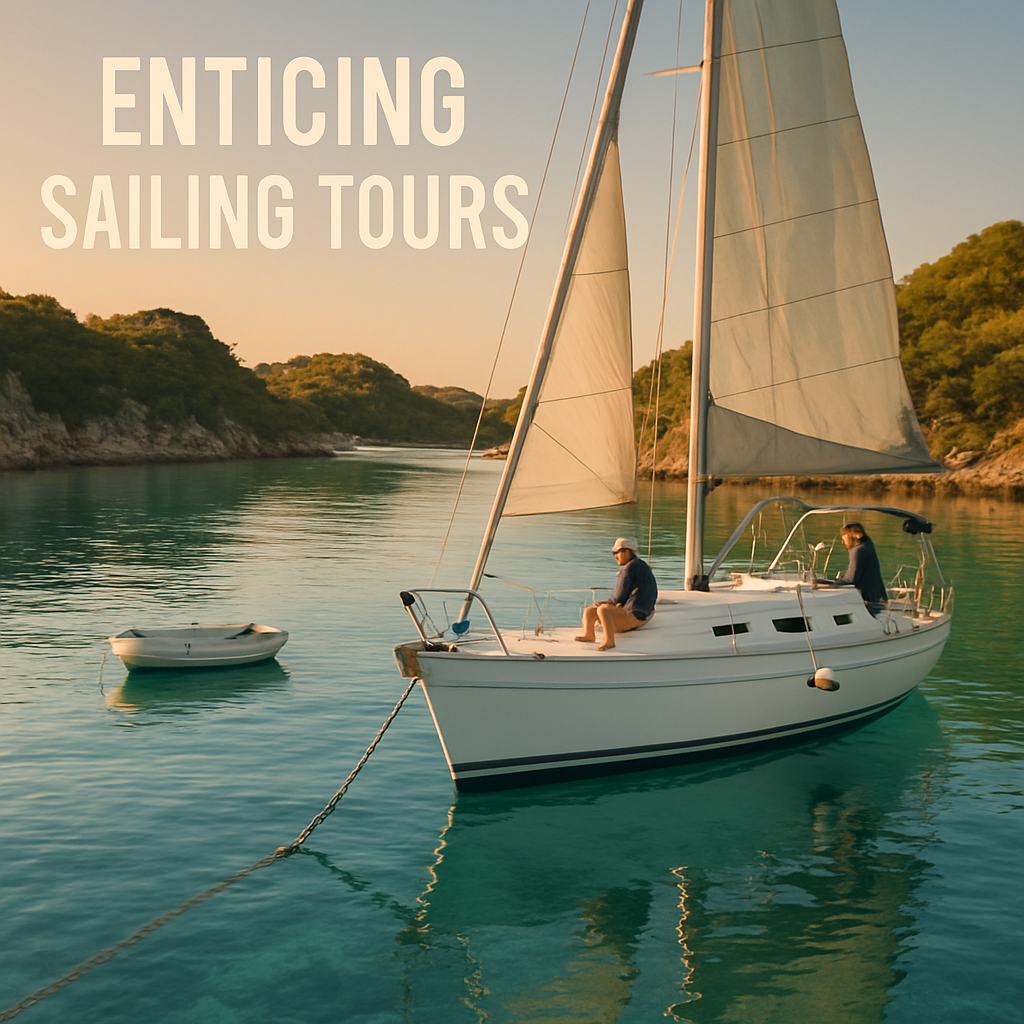
Monohulls are the classic sailboat image: one hull, a keel for ballast, and a predictable feel that connects you to wind and waves. Most bluewater cruising yachts are monohulls, and many training programs use them for good reason.
- Advantages: Often less expensive per foot, proven offshore performance, and a traditional sailing feel that teaches core seamanship.
- Drawbacks: They heel under sail, which some find uncomfortable; deeper keels limit shallow water access unless opting for a shoal draft or lifting keel; interior space is generally less than a multihull of equal length.
- Best use: Training, coastal cruising, long-distance passages when you want a forgiving hull in heavy seas.
Multihulls: Catamarans and Trimarans
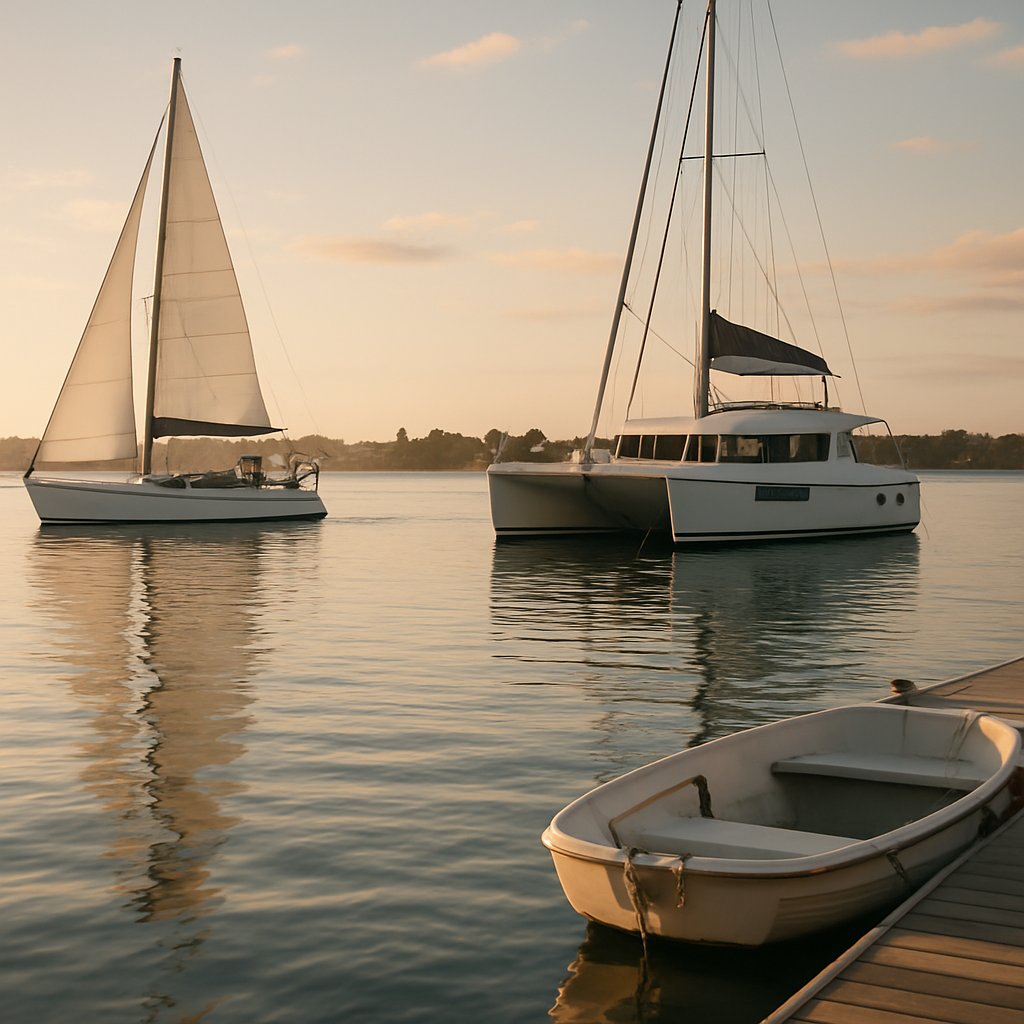
Multihulls, which include catamarans (two hulls) and trimarans (three hulls), rely on beam for stability. They stay nearly flat under sail, which many find comfortable and suitable for social sailing and family trips.
- Advantages: Ample living space, shallow draft, and often higher speeds—especially off the wind.
- Drawbacks: Higher purchase and docking costs, different capsize characteristics (they can be difficult to right), and a different handling profile that requires some learning.
- Best use: Island hopping in shallow waters, weekend charters, or when comfort and cabin space are top priorities.
How They Compare — Quick Overview
| Feature | Monohull | Multihull |
|---|---|---|
| Feel under sail | Heels, dynamic | Nearly flat, stable |
| Interior space | Less for given length | More for given length |
| Maintenance & cost | Generally lower | Higher (two hulls) |
| Shallow water | Limited unless shallow keel | Excellent |
If you want a closer look at multihull trade-offs, our breakdown of Catamaran Pros Cons highlights living comfort, speed, and the anchoring advantages that make cats so popular for island cruising; for sailors curious about classic rigs and alternatives to the modern Bermuda sail, Gaff Rigged Explained offers historical context, sail handling tips, and why some modern sailors still choose gaffs for character and heavy-weather robustness. Both articles are practical companions as you weigh options.
Cruising Sailboats for Beginners: Sloops, Cutters, and Coastal Weekenders
Now we move inside the monohull world. If your aim is comfortable cruising nearby or developing offshore confidence, consider the rig and layout. Three practical choices for beginners are sloops, cutters, and coastal weekender designs.
Sloops — Simplicity Sells
A sloop is the simplest, most common rig: one mast with a mainsail and one headsail. Because it’s straightforward, it’s often how novices make the leap from dinghy to cruising yacht.
- Fewer sails and lines makes sail handling and reefing easier.
- Good upwind performance and simple to teach to a crew.
- Ideal for day trips, weekenders, and coastal cruising as a first serious boat.
Cutters — Versatility for Longer Trips
Cutters add a staysail between the mast and the headsail. That extra sail can be a lifesaver in heavy weather: it helps balance the boat and offers multiple reefing options without relying on the mainsail alone.
- Excellent for offshore work where redundancy matters.
- More complex sail handling—requires practice and a clear sail plan.
- Favored by liveaboard cruisers and those planning long passages.
For a head-to-head comparison useful when deciding between auxiliary masts or a single-mast setup, see our piece Ketch vs Sloop, which outlines the benefits of splitting sail area versus concentrating it on one mast. If you are leaning toward the aesthetics or functionality of older and alternative rigs, the same site also hosts deeper reading and practical advice across many topics—visit tamtam-sailing.de to explore our broader resource library, charters, and local sailing tips that help you plan trips with confidence.
Coastal Weekenders and Pocket Cruisers
These are boats designed for short overnight trips and fun on the water without the heaviness of a full cruising system. They often sacrifice size for simplicity and trailerability.
- Smaller systems mean lower maintenance and cost.
- Trailerable options open up a wider cruising range and reduce marina fees.
- Great for building confidence before committing to a bigger vessel.
Small and Versatile Boats: Dinghies, Daysailers, and Pocket Cruisers
Not everyone needs—or should start with—a large cruiser. Small boats teach fundamentals fast. They are forgiving, inexpensive, and give you a lot of time to practice.
Dinghies — The Classroom of the Sea
Dinghies range from single-handed Lasers to family-friendly boats like the RS Quest. They capsize and recover as part of learning. That’s good: you learn to handle sails, balance, and the helm in immediate, physical ways.
Many training programs use dinghies for a reason: they accelerate learning and are fun. If you are nervous about seasickness or handling a big boat, dinghies are often the best start.
Daysailers — Comfort without Commitment
Daysailers are a step up: a cockpit designed for a group, sometimes small berths and often a simple rig. They are perfect for casual weekend sailing and family outings.
Pocket Cruisers — Bite-Sized Adventure
If you want to sleep aboard, cook a proper meal, and explore for a few nights, pocket cruisers deliver. They are a sensible starting point for those who want real cruising experience without big costs.
Catamarans and Trimarans: When Multihulls Make Sense
Multihulls deserve special attention. When they make sense, they can transform your sailing life: faster passages, easy anchoring in shallow spots, and a living space that feels like a small apartment.
Why Choose a Catamaran?
Catamarans are popular for family cruising and charters. Their wide beam means a roomy saloon and often separate hull cabins—perfect for privacy and comfort.
- Great for social sailing: guests don’t have to deal with constant heel.
- Shallow draft opens up anchorages behind reefs and in protected lagoons.
- Large deck and cockpit areas for entertaining.
Trimarans — Speed and Adventure
Trimarans combine a central hull with two outriggers (amas) to deliver performance and stability. They are less common than cats but beloved by sailors who want speed without extreme heel.
Trimarans can be a hobbyist’s dream: capable of long distances at fast average speeds, while still offering a comfortable platform when anchored.
Multihull Safety Considerations
Multihulls behave differently in heavy seas. They are harder to right once capsized, and wave impacts on wide bridgedecks can be brutal in certain sea states. Training and preparation are essential. If you are planning offshore work on a multihull, invest in specific multihull seamanship courses.
How to Pick the Right Boat Type for Your Sailing Goals: A TamTam Sailing Guide
Choosing the right Sailing Boat Types comes down to clarity. Be honest about what you want. Here’s a step-by-step approach to avoid buyer’s remorse.
1. Define Your Primary Use
– Day sailing: dinghies and daysailers.
– Weekend getaways: pocket cruisers or 24–32 ft sloops.
– Family cruising: 34–45 ft monohull cruisers or 38+ ft catamarans.
– Racing or high-performance day sailing: sport trimarans or performance sloops.
2. Set a Realistic Budget
Total cost includes purchase, maintenance, berthing, insurance, and upgrades. Multihulls and larger boats typically cost more to maintain and berth. Choose a boat that keeps you on the water, not one that eats your savings.
3. Match Boat to Crew and Comfort Needs
If non-sailors will come aboard, consider comfort (less heel, more living space). If you want authentic sailing sensation and simpler systems, a monohull might be better. Think about headroom, galley size, and storage.
4. Practical Launching & Mooring
Trailerable boats open up a lot of options and reduce long-term costs. If dock fees are high where you sail, smaller boats or trailerable cats may save thousands annually.
5. Try Before You Buy
Chartering or demo-sailing several types is the single most important step. It’s surprising how different two boats of similar length can feel. Schedule sea trials in typical conditions for the waters where you’ll spend most of your time.
6. Invest in Training
Whatever type you choose, take lessons specific to that boat type—especially if moving from mono to multi. Practical experience is the best investment for safety and enjoyment.
Practical Buying Tips and Common Terms
Before signing on the dotted line, keep these buyer tips and common terms in mind. They save money and avoid headaches.
- Charter or rent to sample different sailing boat types.
- Get a marine survey on used boats; prioritize structural and rigging condition.
- Know key terms: keel, draft, displacement, hull speed, mainsail, jib, reefing, and beam.
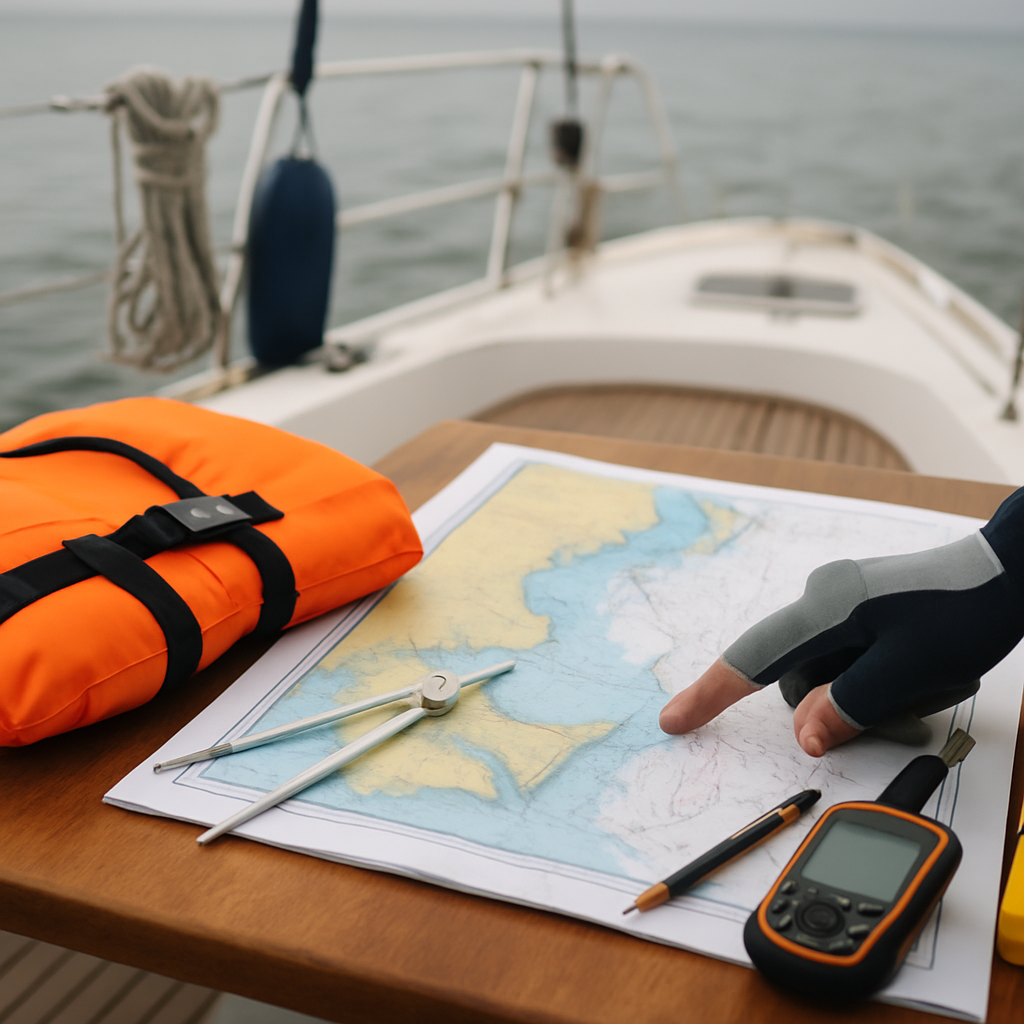
- Budget for life aboard: safety gear, nav electronics, sails, canvas, and regular maintenance.
Conclusion — Pick the Boat That Keeps You Sailing
There is no single “best” in the world of Sailing Boat Types. The right boat is the one that matches your goals, experience, and budget—and one that you will actually use. Start small if you need to build confidence. Charter to compare. Learn the skills that make any boat safer and more fun. With clarity and a little sea time, you’ll find the vessel that turns weekends into memories and meetings into distant blurs.
FAQ — Frequently Asked Questions About Sailing Boat Types
Q: What are the main sailing boat types and why does it matter?
A: The main sailing boat types include dinghies, daysailers, pocket cruisers, monohulls (sloops, cutters, ketches), catamarans, and trimarans. Knowing these types matters because each is optimized for different conditions—training, coastal cruising, long-distance passages, or shallow-water island hopping. Your intended use, crew size, and budget should guide the choice; pick a boat that fits how you want to sail, not just what looks impressive on a broker’s dock.
Q: Which sailing boat type is best for a beginner?
A: For learning fundamental skills, dinghies and small monohulls are the most practical options. They are inexpensive to operate, give quick feedback on sail trim and balance, and require less complex systems. If you prefer comfort while learning, a daysailer or a chartered catamaran with instruction can be acceptable—but ensure you take formal lessons specific to that type before buying.
Q: Monohull or multihull—what should influence my decision?
A: Consider stability preferences (do you want heel or flat sailing?), draft constraints (do you need shallow-water access?), living space requirements, budget, and typical sea conditions. Monohulls offer traditional handling and tend to be less costly per foot, while multihulls provide more living area and shallow draft at a higher price. Safety and seamanship differences are important; multihulls require fleet-specific knowledge.
Q: Is a catamaran easier to sail than a monohull?
A: Catamarans can feel easier because they heel less and offer wide, stable decks. However, they require different skills—such as managing a wide beam for docking and understanding capsize dynamics. They may be faster off the wind, but handling in tight marinas can be more challenging. Training specific to catamarans is recommended to avoid surprises.
Q: How much does it cost to buy and maintain a typical cruising sailboat?
A: Purchase price varies widely, from a few thousand euros for older pocket cruisers to several hundred thousand for modern multihulls. Annual running costs—insurance, berthing, maintenance, winter storage, and occasional upgrades—commonly amount to 5–15% of the boat’s value per year. Budget realistically: a well-maintained smaller boat often yields more sailing days than an expensive one that sits unused.
Q: Which size is recommended for family cruising?
A: Many families choose 34–45 ft monohulls or 38+ ft catamarans for comfortable cruising. These sizes typically provide multiple cabins, separate heads, and enough storage for extended trips. Evaluate layout, safety features, and ease of handling as much as raw length.
Q: Should I learn on a sloop or try a cutter or ketch?
A: Start with a sloop for simplicity: one mainsail and one headsail teach the fundamentals. Cutters and ketches offer more sail plan options and redundancy, which is useful offshore, but they increase complexity. Once you master single-mast sail handling, adding another sail or mast becomes manageable and rewarding.
Q: Can I learn to sail on a catamaran or trimaran?
A: Yes, you can learn on a multihull, but be aware that multihull handling differs in feel and technique from monohulls. If you plan to move between types, take instruction in each. Multihull courses focus on beam control, docking strategies, and capsize avoidance—key areas for safe sailing.
Q: What should I look for in a used sailing boat inspection?
A: Prioritize structural integrity: hull condition, signs of osmosis, keel attachment, and chainplate condition. Check rigging (standing and running), sails, engine hours, and corrosion on fittings. Electrical systems, plumbing, and safety equipment should be functional. Always commission a professional marine surveyor for a thorough assessment before purchase.
Q: Where can I find reliable guides and practical tips on different rigs and boats?
A: Dedicated sailing blogs and specialized guides are invaluable. For rig-specific and hull-type articles that complement this overview, please consult our in-depth pieces such as Sloop Rigged Features, Cutter Sailing Characteristics, and Catamaran Pros Cons on tamtam-sailing.de, which provide practical, experience-based advice that helps you choose and sail with confidence.
Ready to take the next step? Try a few charters, sign up for a weekend course, and come back to this list with your preferences. The sea is big, and so are the choices—pick a boat that makes you want to go out tomorrow.