Introduction
Attention: Are you curious about how a single mast and a pair of sails can make a boat both simple to handle and thrilling to sail? Interest: Sloop Rigged Features are the backbone of a huge portion of recreational and bluewater yachts—beloved for their balance of performance and manageability. Desire: Imagine stepping aboard a boat that responds predictably, trims easily, and stays calm in a blow when you know what to do. Action: Read on to learn how Sloop Rigged Features work, what to look for when choosing and maintaining a sloop, and why this rig remains the top pick for beginners and seasoned adventurers alike.
Sloop Rigged Features: A Tamtam Sailing Beginner’s Guide
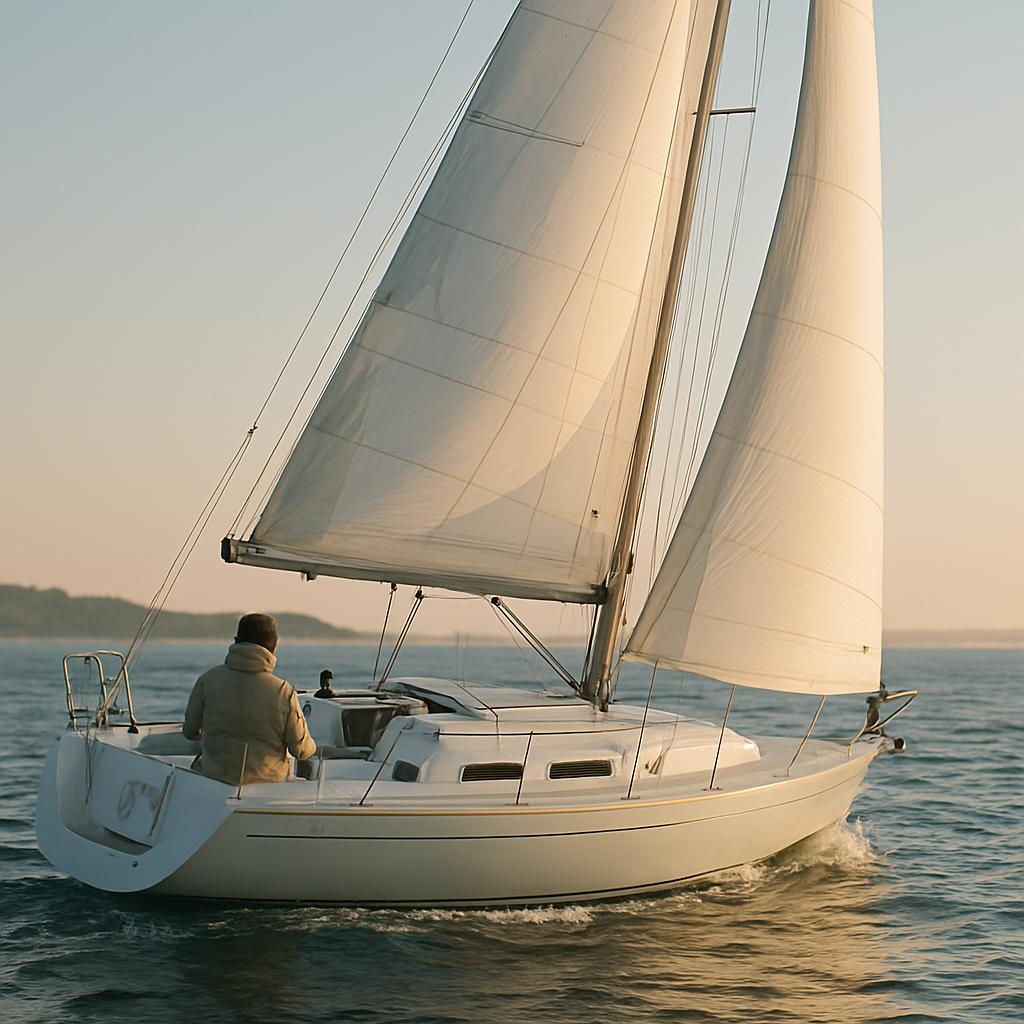
Sloop Rigged Features describe a sail plan with one mast and typically two primary sails: the mainsail aft of the mast and a headsail forward. That elegant simplicity is the main reason sloops are so widely used. For someone just starting out, the sloop offers a straightforward learning curve without sacrificing the opportunity to learn sail trim, balance, and seamanship in a rewarding way.
To help you compare and expand your understanding of rig types while keeping Sloop Rigged Features in focus, consider reading deeper on related layouts: explore cutter characteristics that emphasize flexible headsail plans at Cutter Sailing Characteristics, learn how traditional spars and gaff sails differ at Gaff Rigged Explained, and consult a broader classification overview at Sailing Boat Types. These linked guides offer practical comparisons and historical context to help you see where a sloop fits among other common rigs and which trade-offs matter most for cruising and offshore work.
Let us walk through the core components you will encounter and why each matters. First, the mast is the vertical backbone receiving the loads of the sails and transferring them to the hull. The mainsail provides most of the drive and shape control. The headsail—whether a small working jib or a big genoa—affects balance and pointing ability. Underpinning these are the standing and running rigging systems: the fixed wires that hold the mast and the lines you use to hoist, trim, and reef.
If you are deciding which setup to learn on, focus on a sloop with a sensible deck layout and sail-handling systems led aft, so you can reef and trim from the cockpit. That reduces stress and increases safety, especially when you are still building confidence.
A Tamtam Sailing Guide to the Key Design Elements of Sloop Rigging: Mainsail, Headsail, and Mast
Mainsail
The mainsail is more than just “the big sail behind the mast.” It is a tunable engine of power and balance. Modern mains are designed to deliver a compromise between power and easy handling. Consider how your mainsail is controlled: the outhaul shapes the foot; the cunningham controls draft position; the boom vang manages twist; and the traveler shifts the point of effort to control helm.
Reefing is a critical consideration for safety. Slab reefing is often recommended for cruising sloops because it is simple, robust, and keeps the sail shape reasonable when reduced. In-mast and in-boom reefing systems look neat and reduce flapping, but they alter sail shape and complicate maintenance. For first offshore voyages, many sailors choose slab reefing for reliability.
Headsail (Jib/Genoa)
The headsail influences how the boat behaves on all points of sail. A small jib tends to make the helm lighter and improves tacking, while a large genoa gives power in light airs but can increase weather helm and tacking effort.
Roller furling is a practical addition for cruisers because it makes sail reducing and stowing straightforward. Hanked-on jibs are simpler mechanically but require more physical work. A self-tacking jib is a brilliant choice for shorthanded crews because it takes the chore out of tacking at the cost of some sail area.
Mast and Rig Geometry
The mast’s position, height, and how it is stayed will change how your sloop feels under sail. Two common mast configurations are masthead and fractional rigs.
- Masthead Rig: The forestay reaches the top of the mast. Headsails are typically larger, offering strong light-wind performance but demanding more effort during sail changes.
- Fractional Rig: The forestay attaches below the masthead. The mainsail plays a larger role in drive and trimming; mast bend can be used to depower the sail when winds pick up—handy for tuning and control.
Spreaders, shrouds, and backstays add lateral and fore-and-aft support and enable meaningful rig tuning. A well-designed rig gives you a wide tuning range so you can adapt to differing sea states and wind strengths.
Materials and Build Quality in Sloop Rigs: What to Look For
The materials chosen for a sloop rig determine durability, performance, and maintenance needs. When evaluating a boat—new or used—inspect these areas carefully. Think of the rig as the skeleton, and poor choices or neglected parts can compromise safety.
Standing Rigging
Stainless steel wire remains the workhorse for most cruisers because it is relatively inexpensive and durable. Keep an eye out for broken strands, corrosion at terminals, and evidence of fatigue. Rod rigging offers low stretch and excellent aerodynamic properties but requires a professional eye for inspection and may be costlier to replace. Newer synthetic options like high-modulus polyethylenes (e.g., Dyneema) reduce weight aloft and resist corrosion, but they have unique wear patterns and end-fitting needs.
Mast and Spars
Aluminum masts are typical and strike a good balance of strength, cost, and maintainability. Carbon spars are lighter and can improve stability and performance; however, carbon must be checked for impact damage and specially maintained. Whether aluminum or carbon, check for compression points, packing at the mast step, and secure fastenings.
Sailcloth and Sail Construction
For cruising, Dacron (polyester) sails are the sensible choice: they last, tolerate abuse, and are easy to repair. Performance sails made from laminates or advanced fibers hold shape better and improve speed, but they can delaminate and generally have shorter service lives in cruising conditions. Inspect seams, UV patches, and batten pockets closely.
Deck Hardware and Chainplates
Chainplates and deck fittings transfer huge loads; any sign of corrosion, looseness, or delamination is a red flag. Look for through-bolted fittings and proper bedding compounds. Blocks, winches, and furlers from reputable manufacturers reduce friction and the chance of sudden failure at a bad moment.
Benefits of Sloop Rigging for Beginners and Adventurers, According to Tamtam Sailing
Why do so many cruising sailors and learning skippers choose sloops? There are several compelling reasons tied directly to the Sloop Rigged Features.
Simplicity and Learnability
One mast, a main, and a headsail: fewer chances to get confused. That simplicity translates into easier drills, safer sail handling, and quicker mastery for crews who are still learning ropework, reefing, and sail trim. For training new crew or family members, a sloop is forgiving and logical.
Performance and Versatility
Sloops can point well to windward and accelerate quickly when the breeze fills in. By swapping headsails and reefing the main you can manage a large variety of wind conditions without re-rigging whole sail plans. This adaptability is particularly valuable on coastal runs and extended tours where conditions change.
Cost and Maintenance Advantages
Fewer spars and sails typically mean lower initial costs and simpler maintenance schedules. That said, cost savings only hold if the rigging and hardware are of good quality—skimp too much and you pay later in repairs and increased risk.
Short-handed Friendliness
With modern sail-handling aids—roller furlers, reefing systems, and self-tackers—a sloop becomes an excellent platform for short-handed sailing. You still benefit from the classic sloop geometry while making life aboard easier and safer for a small crew.
Sloop Maintenance Essentials: Keeping Your Rigging in Top Shape
Preventive maintenance is the secret to a reliable sloop. A proactive approach saves money, reduces anxiety, and keeps you sailing rather than repairing. Here are practical maintenance habits to adopt.
Routine Inspections
Conduct visual checks at least monthly while in season and after any heavy weather. Look for chafe, corrosion, and any sign of movement at threaded connections. Halyards and sheets should be checked for UV damage and wear in high-load areas.
Scheduled Professional Checks
Have a qualified rigger inspect standing rigging and critical fittings every few years. Many yards recommend a professional inspection every five years and full replacement of wire rigging within 15–20 years, depending on use and environment. If you cruise saltwater heavily or frequently encounter strong winds, shorten those intervals.
Care for Moving Parts
Winches, blocks, and furling drums require periodic lubrication, cleaning, and bearing checks. Furling systems in particular should be flushed with fresh water and serviced according to manufacturer instructions to avoid sticky drums when you most need them.
Sail Care
Salt and sun will degrade sails. Rinse sails with fresh water after extended exposure to salt spray and inspect for stitching wear. Repair small tears promptly and replace UV-stripped leech and foot tapes when necessary. Keep battens and pockets in good order; a loose or broken batten can cause dramatic sail shape problems.
Choosing a Sloop for Your First Offshore Tour: Tips from Tamtam Sailing
Selecting a sloop for offshore work involves more than picking a pretty hull. Your priorities should be seaworthiness, manageability, and redundancy. These recommendations reflect practical experience and aim to help you make sensible decisions for safety and comfort.
Appropriate Size and Displacement
For offshore passages, many sailors find boats between 30 and 45 feet offer the best balance. Smaller boats are nimble but carry less fuel, water, and supplies; larger boats provide comfort but require a larger crew or more budget. Moderate displacement helps with motion comfort and load carrying without making the boat sluggish.
Sail Handling and Deck Layout
Look for sail handling systems you can operate from the cockpit: reliable furlers, slab reefing, and halyards led aft. A self-tacking jib can substantially reduce workload. Ensure there are adequate winches and that clutches are easily accessible.
Safety and Redundancy
Offshore planning means redundancy. Carry storm sails, a separate heavy-weather jib, a reliable autopilot, and a well-serviced life raft. A solid anchor setup with more than one scope option is sensible. Make sure there is space for tools, spare parts, and a dedicated place for emergency gear.
Survey and Build Quality
A pre-purchase survey is essential. Ask the surveyor to focus on hull integrity, deck-to-hull bonding, chainplates, and rig condition. Pay attention to past repairs; a well-documented repair history is better than a seemingly “perfect” boat with no paperwork.
Sloop Rigged Features vs Other Rig Types: A Quick Comparison
When choosing a rig, it helps to compare the sloop to other common layouts—cutters, ketches, and yawls—so you can match rig advantages to your sailing goals.
| Rig Type | Strengths | Drawbacks |
|---|---|---|
| Sloop | Simple, efficient upwind, easy to learn, cost-effective | Large headsails on some rigs can be heavy; fewer sail combinations than multi-mast rigs |
| Cutter | Flexible headsail plans, excellent heavy-weather options, balanced sail area | More running rigging and deck clutter; slightly more complex handling |
| Ketch/Yawl | Divides sail area into smaller pieces for easy handling, redundancy | More spars and sails to maintain, potential interference with main sail aerodynamics |
Practical Tips and Quick Reference Checklist
Below is a compact checklist you can carry in your head (or better yet, on a laminated card) when inspecting or maintaining a sloop. Use it before a passage and as part of regular upkeep.
- Inspect standing rigging for broken strands or corrosion.
- Check chainplates and their deck fittings from below for signs of water intrusion or delamination.
- Examine sail UV patches, stitching, and batten pockets.
- Test furlers and winches; service sticky units before a voyage.
- Verify mast alignment and look for compression near the mast step and partners.
- Carry essential spares: a spare halyard, spare shackles, common fittings, and a reliable block or two.
- Practice reefing under way so that the crew knows the procedure and timing.
FAQ — Frequently Asked Questions about Sloop Rigged Features
What exactly are Sloop Rigged Features and how do they affect sailing performance?
Sloop Rigged Features refer to the combination of a single mast, a mainsail, and a headsail, plus the standing and running rigging that support and control those sails. This arrangement concentrates sail area in two primary canvases, which simplifies sail handling and makes upwind performance efficient. For you, this means easier learning and tuning: trimming a mainsail and headsail correctly will directly influence pointing ability, balance, and speed, so understanding how these elements interact is central to safe and satisfying sailing.
Why are sloops recommended for beginners and short-handed crews?
Sloops are often recommended because their Sloop Rigged Features reduce complexity without sacrificing capability. With fewer sails and spars to manage, the learning curve is gentler, and common operations—tacking, reefing, sail changes—are more straightforward. If you plan to sail with a small crew or singlehanded, a sloop equipped with roller furling, slab reefing, and led lines to the cockpit will let you maintain control and safety without constant crew coordination.
How do sloops compare to cutters, ketches, and gaff rigs in real-world cruising?
Each rig type brings trade-offs. Sloops offer simplicity and strong upwind performance, cutters provide flexible headsail combinations and better heavy-weather trimming, and ketches or yawls split sail area for easier handling in rough conditions. Gaff rigs are traditional and powerful at moderate winds but require more skill and maintenance. If you prioritise straightforward handling and efficiency—the hallmarks of Sloop Rigged Features—a sloop usually represents the best compromise for general cruising and learning sailors.
What should I look for when inspecting the standing rigging?
Inspect for broken strands, corrosion, loose swages or terminals, and movement at turnbuckles or chainplates. Check for chafe where wire meets fittings and look under deck access points for signs of water ingress or laminate delamination around chainplates. If you cannot confirm the rig’s age or history, arrange a professional rig survey; replacing critical components proactively can prevent catastrophic failures at sea.
How often do I need to replace standing rigging or sails?
Lifespan varies with material and usage. A common guideline for wire standing rigging is an inspection every few years and possible replacement in 15–20 years for regular cruising use, but heavy offshore work or saltwater exposure may demand earlier replacement. Sails depend on fabric and exposure; cruising Dacron sails often last several years to a decade with good care, while high-performance laminates can degrade sooner. Monitor wear signs and consult manufacturers’ recommendations.
Can I singlehand a sloop for coastal and offshore passages?
Yes, many sailors singlehand sloops successfully, provided the boat is set up for it. Key Sloop Rigged Features that aid singlehanding include roller furlers for the headsail, simple and reliable reefing systems on the main, self-tacking jibs where appropriate, and lines led back to the cockpit. Combine those with routine drills, a well-maintained autopilot, and conservative passage planning and you will increase safety and confidence when sailing alone.
Which materials are best for a reliability-focused cruiser?
For a reliability-first approach, choose stainless steel wire or well-specified modern synthetic rigging with proven end fittings for standing rigging. Aluminum masts remain sensible for most cruisers due to their durability and maintainability. Dacron sails are preferred for cruising because of their resilience and reparability. The right combination depends on your budget and intended use, but durability and ease of inspection should take precedence for offshore cruising.
What emergency spares should I carry related to rigging and sails?
Carry at least a spare halyard, a selection of shackles and soft shackles, a few blocks, emergency strops, and basic tools for splicing or putting temporary fittings in place. A small repair kit for sails and rigging (sail needles, heavy thread, UV tape) and a reliable method to jury-rig a temporary stay or prevent further damage will make a substantial difference during offshore passages.
How should I choose the right sloop size for my first offshore tour?
For offshore work, many cruisers find that boats between 30 and 45 feet offer the best balance of comfort, storage, and manageable systems. Consider crew size, experience, and the amount of gear you wish to carry: a heavier-displacement hull can be more comfortable and safer in a seaway, but larger boats introduce additional systems to maintain. Prioritise a boat with solid Sloop Rigged Features, dependable sail-handling systems, and space for safety and redundancy.
Where can I learn more about different rig types and how they compare to the sloop?
For further reading and practical comparisons, consult trusted resources on rig types and their characteristics: articles on cutter setups and heavy-weather options, explanations of gaff rigs and historical examples, and broad overviews of sailing boat types. These materials will help you see how Sloop Rigged Features fit into the larger landscape of sail plans and assist you in making informed decisions as a potential owner or skipper.
Conclusion
Sloop Rigged Features combine simplicity with versatility—making the sloop an enduring favorite for learning sailors and seasoned bluewater cruisers alike. Understanding how mainsail, headsail, and mast geometry interact, choosing the right materials, and committing to regular maintenance will keep your boat safe and enjoyable for years of sailing. If you are planning to buy, outfit, or sail a sloop offshore, prioritise practical sail-handling systems, reliable hardware, and a thorough survey to avoid surprises.
With the right preparation and a little practice, a sloop will reward you with confidence, manageable workload, and satisfying performance. Consider Tamtam Sailing your companion for step-by-step tips, gear checklists, and real-world advice that will keep you on the water—and smiling—mile after mile.