Set Sail with Confidence: How Baltic Sea Sailing Can Transform Your Next Adventure
Attention: the Baltic is calling. Interest: imagine archipelagos, medieval harbors and long summer days under a wide northern sky. Desire: whether you dream of a short island hop or a multi-week cruise, Baltic Sea Sailing offers something memorable for every sailor. Action: read on — this guest post from Tamtam Sailing gives you practical guidance, safety tips and route ideas so you can plan and enjoy your next Baltic voyage with confidence.
Baltic Sea Sailing: A Beginner’s Guide with Tamtam Sailing
Baltic Sea Sailing is uniquely beginner-friendly while still offering challenges that will excite experienced skippers. The Baltic is an inland sea bordered by nine countries — Sweden, Finland, Russia, Estonia, Latvia, Lithuania, Poland, Germany and Denmark — and is known for its sheltered archipelagos, short legs between harbors and dramatic seasonal changes. For many newcomers, the blend of protected waters and accessible marinas makes the Baltic an ideal training ground for learning coastal cruising, navigation and seamanship.
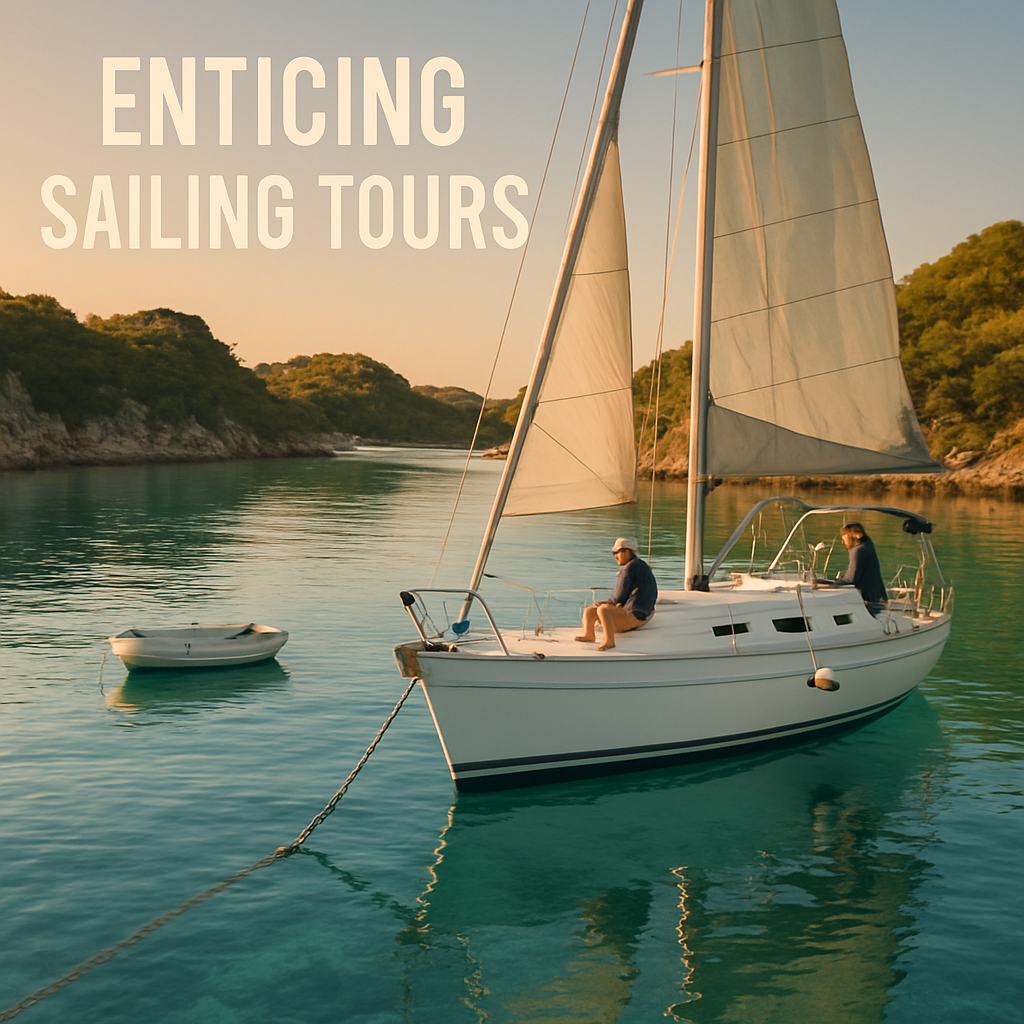
To broaden planning options and spark ideas for trips, Tamtam Sailing also points readers to curated itineraries and comparative routes that help frame what a Baltic cruise can look like. Explore detailed Enticing Sailing Tours for inspiration tailored to different tastes, check out dramatic coastal options such as Norwegian Fjord Voyages to learn about narrow-water navigation and protected-harbor techniques, and review broader offshore perspectives with entries like Pacific Coast Cruises. These resources can help shape sensible gear lists, route choices, and realistic expectations for Baltic Sea Sailing adventures.
Who should try Baltic Sea Sailing?
If you are new to sailing, the Baltic’s many sheltered bays and short passages let you practice under relatively forgiving conditions. If you are experienced, the area still offers open crossings, variable winds and lively seasonal traffic that require competence and planning. Families and casual cruisers appreciate the friendliness of many marinas and the abundance of shore-side amenities. Solo sailors and seasoned adventurers can push boundaries with longer legs and more remote anchorages.
Key skills to practice
Basic navigation with charts and GPS, anchoring in mixed bottom conditions, short-handed sail handling, and safety drills are essential. Learn to read local pilot books and notices to mariners; these will save you from surprises such as shallow approaches, seasonal closures or busy ferry lanes.
Essential Baltic Sea Sailing Gear for Safe Adventures
Good equipment increases comfort and mitigates risk. Baltic Sea Sailing comes with particular demands: cold water, the potential for rapidly changing weather and long distances between smaller harbors. Here is a practical gear list you should not leave ashore.
- Personal protective equipment: well-fitting lifejackets with integrated harness attachment points, safety harnesses and jacklines, and a thermal protection option such as a drysuit or quality insulating layers for longer or early/late-season trips.
- Navigation and communication: chartplotter with up-to-date electronic charts, paper charts as backup, handheld and fixed VHF radios with DSC where available, a charged smartphone with marine apps, and an AIS transponder if you expect to encounter commercial traffic or busy ferry routes.
- Emergency gear: EPIRB or PLB, ditch bag, visual distress signals (flares as per region rules), reflective tape and searchlights, and a comprehensive first-aid kit geared toward cold exposure and trauma care.
- Anchoring and mooring: a robust primary anchor with adequate chain and rode, a secondary anchor or Kedge, spare lines and multiple fenders for variable berthing styles.
- Maintenance and spares: basic tool kit, fuel and engine spares (impeller, filters), spare bulbs and fuses, hose clamps, and a sail repair kit for small emergency fixes.
- Comfort and provisioning: layered clothing and waterproofs, sun protection, insect repellent for certain shorelines, a dependable galley setup, and extra water and food for delays.
Remember: lighter and smarter packing wins. You do not need a garage full of gadgets, but do prioritize items that directly improve safety and mobility.
Top Baltic Sea Sailing Routes and Tours from Tamtam Sailing
Whether you want a weekend escape or a month-long loop, the Baltic’s geography lets you tailor trips to time, skill and mood. Below are tried-and-tested route ideas, grouped by trip length, that highlight what Baltic Sea Sailing has to offer.
Weekend and short trips (2–4 days)
Short hops are perfect for testing gear and crew dynamics. Popular options include:
- Stockholm Archipelago loop: Vaxholm, Grinda, Sandhamn — sheltered, scenic and full of spots to drop anchor or pick up a mooring.
- Helsinki to Porvoo: quick coastal hops with charming harbors and easy provisioning.
One-week itineraries (5–10 days)
A week allows for a more immersive experience and a comfortable pace:
- Stockholm to Åland (Mariehamn): a beautiful mix of open legs and islands — fantastic for sailing and stopping to explore.
- Gotland loop (Visby): a cultural highlight with great sailing approaches and dramatic coastline.
- Bornholm and southern Denmark/Poland: quieter waters, sandy beaches and friendly harbors.
Longer cruises and multi-week tours
Take your time and connect countries and cultures. A multi-week Baltic Sea Sailing itinerary might link Sweden, Estonia, Latvia and Finland, offering diverse ports and plenty of room for exploration. Bear in mind customs and visa formalities if you cross several borders.
Practical tip: plan conservative daily distances. Allow time for exploring anchorages and for weather-driven diversions. Use major ports like Stockholm, Helsinki, Gdańsk or Rostock as provisioning hubs before heading into more remote areas.
Navigating Baltic Sea Weather: Tips from Tamtam Sailing
Weather is one of the most important factors for safe Baltic Sea Sailing. The area can shift from calm to challenging surprisingly quickly — so good forecasting and flexible plans are essential.
Understanding Baltic weather patterns
In summer, long daylight hours and relatively stable conditions tempt many sailors, but low-pressure systems can still bring brisk winds and short, steep chop in open areas. Fog can roll in near river mouths and coastal currents. Winters are harsh; in northern and eastern reaches, ice can close routes.
Forecasting strategy
Use multiple forecast sources: national meteorological services, marine forecasts, local harbor updates and trusted apps. Cross-check charts for wind gradients, weather fronts and expected gusts. Monitor the barometer aboard — falling pressure often signals worsening conditions. If a forecast shows rapidly increasing wind speeds, consider shortening legs or seeking a sheltered port early.
Open crossings and timing
Plan open-water crossings such as Stockholm–Åland or Gotland approaches for calm windows. Overnight passages need careful timing: reserve enough fuel for motoring if winds falter, and arrange crew watches. Always identify safe havens along the route.
Cold-water considerations
Water temperatures in the Baltic are lower than many coastal cruising grounds. Cold water accelerates hypothermia risk. Lifejackets should be worn in rough weather or when crossing open stretches. Teach your crew MOB procedures and consider thermal protection options for extended exposure risk.
Baltic Sea Sailing Etiquette and Safety Practices
Good manners and prudent safety practices make Baltic cruising pleasant for everyone. Local communities value quiet anchorages and clean waters, and fellow sailors appreciate considerate behavior in close quarters.
Marina and anchorage etiquette
- Approach marinas at reduced speed and follow mariner instructions. Have lines and fenders ready before arrival.
- When anchoring near others, leave adequate swing room and avoid obstructing passages. Respect protected zones and restrictions.
- Observe local quiet hours. Play music and run generators sparingly, especially at night.
- Dispose of all waste ashore when possible and use pump-out facilities; never discharge black water into calm bays.
On-water safety routines
Run watches on longer passages, keep navigation lights and sound signals functional, and maintain a tidy deck to reduce tripping hazards. Practice MOB, fire response, and abandon-ship drills until they feel natural. A calm, practiced crew responds faster when something goes wrong.
Navigational rules and local regs
Follow COLREGs and local speed restrictions. Consult updated pilot books and Aids to Navigation for buoyage schemes and channel markers. When crossing borders, prepare documentation for both vessel and crew; some ports require advance notification of arrival.
Choosing the Right Sailing Boat for Baltic Waters with Tamtam Sailing
Your boat choice influences access, comfort and the overall experience. Baltic Sea Sailing rewards versatility: shallow draft for archipelagos, seaworthiness for open legs, and comfortable cockpit protection for changing weather.
Draft and keel considerations
Shallow draft or lifting-keel boats let you explore tighter anchorages and approach sandy coves that deeper-keel boats must skip. If you plan many open crossings, a deeper keel improves pointing and performance. Balance draft with the cruising areas you most want to visit.
Size and onboard living
Smaller cruisers (26–35 ft) are maneuverable and economical — good for short-handed crews and tight anchorages. Larger boats (35–45 ft) provide greater comfort, storage and stability offshore. Catamarans offer roomy decks and shallow drafts, but check marina berthing rules and access at your destinations.
Deck layout and shelter
A cockpit that can be enclosed with a sprayhood and dodger makes chilly or wet days far more pleasant. Secure handholds, non-slip surfaces and a logical deck layout reduce stress when moving about in brisk conditions.
Systems reliability
Look for a well-maintained engine, good electrical systems, reliable navigation instruments and clear documentation of past maintenance. For charterers, verify support availability and a clear handover checklist with the operator.
Practical pre-departure checklist
Before leaving the dock, run a clear checklist to reduce last-minute stress. These steps form the backbone of responsible Baltic Sea Sailing.
- Thorough weather briefing with alternative harbors identified;
- Navigation plan with waypoints, estimated times and fuel calculations;
- Safety equipment check: lifejackets, harnesses, EPIRB/PLB, flares and first aid;
- Engine and fuel system inspection; battery and bilge pump tests;
- Provisioning for planned duration plus contingency days;
- Crew briefing: watches, sail handling responsibilities, MOB and berthing roles.
Tips on provisioning, marinas and local services
Major ports supply groceries, fuel and technical help, but smaller islands often operate on seasonal schedules. Provision in well-equipped towns — Stockholm, Helsinki, Gdańsk or Rostock — before pushing into sparser regions. Reserve berths in popular areas during peak months and carry cash in the local currency when visiting remote harbors where card payments may be unreliable.
Local markets offer fresh seafood and regional specialties; sampling them is part of the charm. Still, store staples and plan for storage constraints aboard: canned goods, flexible meals and easy snacks keep life simple on a moving platform.
Protecting the environment: low-impact Baltic Sea Sailing
The Baltic’s ecological balance is delicate. As sailors, you should minimize your footprint. Use designated moorings rather than anchoring on seagrass beds, avoid discharging waste into sensitive bays, and use biodegradable cleaning products to protect water quality. Respect wildlife — keep distance from nesting bird colonies and avoid disturbing haul-out sites for seals.
Simple behaviors add up: collect and dispose of rubbish ashore, limit engine idling, and report pollution or damaged habitats to local authorities. Your conscientiousness preserves the very places you come to enjoy.
Frequently Asked Questions (FAQ)
When is the best time to sail the Baltic?
It is recommended that you plan Baltic Sea Sailing trips between late May and September. July and August provide the warmest temperatures and the longest daylight hours, but they are also the busiest months. For a quieter experience with fewer tourists, consider late May–early June or September, while being prepared for cooler nights and variable weather.
What essential gear should I never forget for Baltic Sea Sailing?
You should always carry well-fitting lifejackets, an emergency beacon (EPIRB or PLB), VHF radio and up-to-date charts (both electronic and paper). Thermal protection for cold-water exposure, a reliable anchor with sufficient chain, and basic engine spares are also critical. Prioritize gear that directly enhances safety and self-sufficiency.
Do I need special charts or a pilot book for the Baltic?
Yes. Carrying up-to-date paper charts and a trusted pilot book for your region is strongly advised. Electronic chartplotters are convenient, but paper charts provide an essential backup and local pilot guides detail shallow approaches, local hazards and recommended anchorages you may not find on standard electronic charts.
Are tides important in the Baltic Sea?
Generally, tidal ranges in the Baltic are small compared with open oceans. However, local currents, wind-driven set and fjord-like flows can be significant in narrow straits and channels. You should consult local current predictions and harbor notices, particularly for narrow passages and ferry lanes.
How should I prepare for border crossings between Baltic countries?
Preparation is essential. Verify passport and customs requirements for each country on your itinerary, carry vessel documentation and crew IDs, and check whether advance notification of arrival is required. Rules differ between Schengen/EU members and non-EU territories, so confirm formalities well before departure.
Can I charter a boat for Baltic Sea Sailing, and what should I look for?
Chartering is a common and convenient option. When chartering, ensure the boat’s maintenance history is clear, check for available support from the base operator, and confirm spare parts and emergency procedures. Verify the boat’s draft suits your planned anchorages and that onboard safety equipment meets regional standards.
What are the major safety hazards to plan for?
Primary hazards include sudden weather shifts, cold-water immersion, navigating shallow or rocky approaches, and marine traffic such as ferries and fishing vessels. Plan conservative passages, maintain watch, practice MOB procedures, and ensure every crew member knows basic safety roles.
How do I handle provisioning for remote island cruising?
Provision in major ports where possible, stocking staples and fresh water. For remote island legs, carry extra fuel, water and easy-to-prepare meals. Also consider local opening hours and seasonal closures: small shops and marinas may operate limited hours outside peak season.
What environmental practices should I follow while sailing the Baltic?
You should use designated moorings when available, avoid anchoring on seagrass beds, dispose of waste ashore, and use biodegradable products. Keep a respectful distance from wildlife and report pollution or habitat damage to local authorities when encountered.
How should I plan for medical emergencies at sea?
Carry a comprehensive first-aid kit and ensure someone aboard has basic first-aid training. Have communication plans for contacting local coastguards and medical services, know nearest ports with emergency facilities, and consider travel insurance that covers medical evacuation if necessary.
Is Baltic Sea Sailing suitable for families or inexperienced crews?
Yes, with the right planning. Shorter legs, sheltered anchorages and choosing a forgiving boat make the Baltic suitable for families and newer sailors. Ensure that the crew is briefed on safety routines, that lifejackets fit children properly, and that daily distances are conservative to allow relaxed exploration.
Final thoughts on Baltic Sea Sailing
Baltic Sea Sailing is both accessible and endlessly rewarding. It offers a mosaic of cultures, stunning island landscapes and cruising opportunities for every level of sailor. With careful planning, respect for local rules and nature, and the right gear, you will return from the Baltic with better skills, great memories and perhaps a few good stories to tell.
Before you leave: plan conservatively, practice safety drills, and be ready to adapt. Sail with curiosity and humility, and the Baltic will reward you with quiet anchorages, lively harbor towns and long, luminous evenings. Fair winds and safe passages — and remember, preparation is your best crew member.