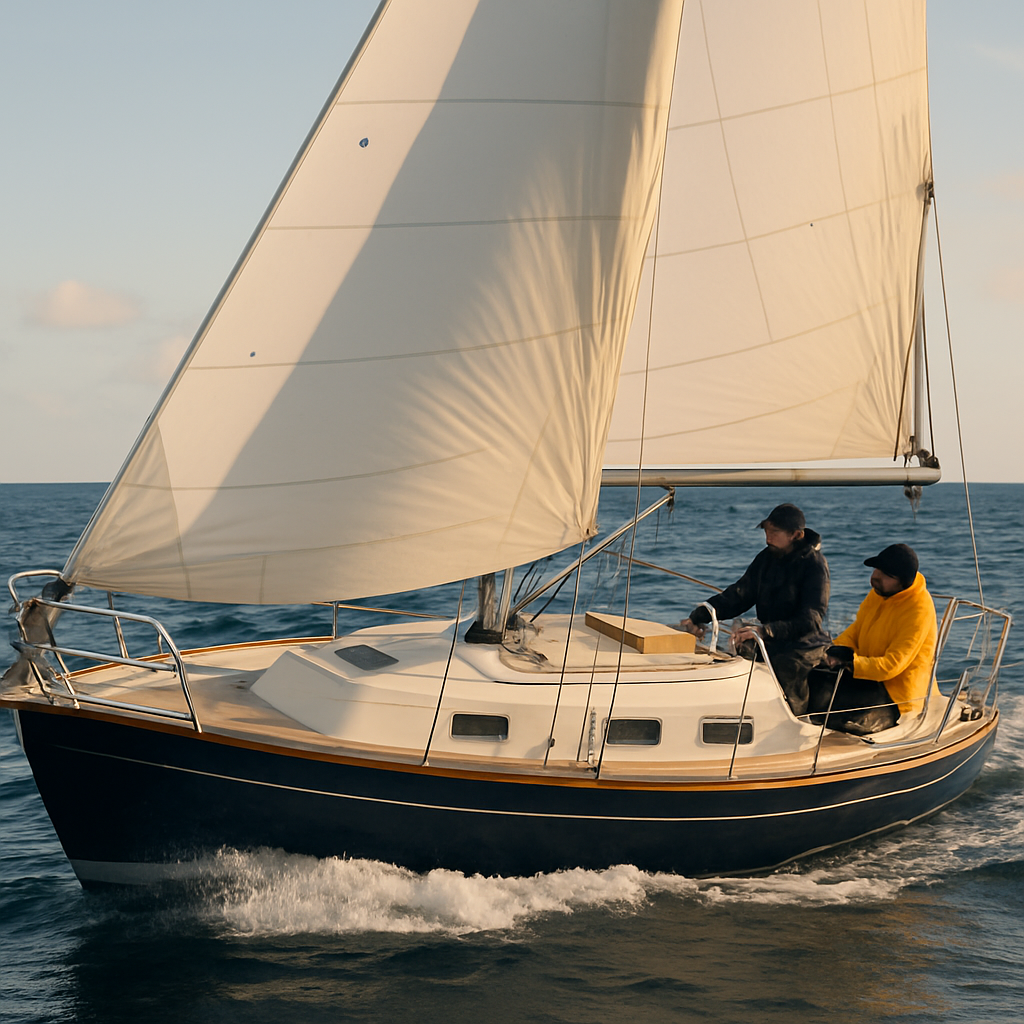
Discover Cutter Sailing Characteristics: How This Versatile Rig Can Make Offshore Life Safer, Simpler, and More Comfortable — A Practical Guide to Help You Choose and Sail with Confidence
Attention: Are you planning longer passages or dreaming of bluewater cruising? Interest: The cutter rig—often chosen by experienced cruisers—offers a toolbox of sail combinations that improve balance and safety. Desire: Imagine reducing sail quickly while retaining steerage, or trimming two headsails to tame a gust without losing drive. Action: Read on to learn the essential Cutter Sailing Characteristics that every serious sailor should understand; by the end you will know what to look for, how cutters perform compared to sloops, and how to care for this rig so it serves you for years.
As you weigh Cutter Sailing Characteristics and decide what rig suits your cruising ambitions, it helps to compare other platforms and their strengths. For a broad perspective on hull and rig options, consult a clear overview of Sailing Boat Types to see how cutters fit among sloops, ketches, and multihulls. If you are curious about multihull trade-offs—stability versus motion and payload—take a look at the practical Catamaran Pros Cons write-up. And to better understand the single‑headsail alternative when comparing Cutter Sailing Characteristics, review the focused guide on Sloop Rigged Features, which explains why simplicity and light‑air speed matter to many sailors.
Cutter Characteristics for Beginners: Rig Basics and Why They Matter
If this is your first deep dive into the world of Cutter Sailing Characteristics, start here. A cutter is defined primarily by its headsail arrangement: two (or sometimes more) forward sails—typically a staysail set on an inner forestay and a larger jib or genoa on an outer forestay. That simple change compared with a sloop unlocks more options in sail trim, balance, and heavy‑weather management.
Key components of a cutter rig
- Inner forestay / staysail stay: The staysail attaches close to the mast. Its position means it exerts less turning moment on the boat than a large genoa.
- Outer forestay: Carries the larger headsail (jib or genoa). It may be attached to the stem or to a bowsprit.
- Bowsprit (optional): Extends the sheeting angle and allows larger headsails or asymmetric kites to fly clear of the hull.
- Sail inventory: Typical setup includes mainsail, staysail, jib/genoа, plus reefing options and storm sails.
- Running gear: More halyards, sheets, cars, and possibly an extra winch for managing the staysail and jib independently.
Why the rig matters for sailing behavior
Cutter Sailing Characteristics influence how you control heel, steerage, and sail area. The staysail sits nearer the center of lateral resistance; when the big jib is furled, the staysail keeps the bow from being overwhelmed by waves and reduces weather helm. You can trim a staysail to absorb gusts while the genoa provides steady drive in lighter winds. In short, the cutter gives you a finer palette of options to balance the boat dynamically.
Practical beginner takeaways
- Start by practicing hoisting and dousing the staysail and jib in calm conditions—this will save time and stress later.
- Learn to trim the slot between staysail and jib: small adjustments have big effects on efficiency.
- Plan sail changes in stages: reduce the genoa first, then reef the main, rather than reefing the main aggressively and losing steerage.
Cutter Characteristics vs Sloop Performance: A Practical Comparison from Tamtam Sailing
Cutter Sailing Characteristics are often compared to sloop rigs. Both can be excellent; the choice depends on priorities such as simplicity, light‑air speed, heavy‑weather safety, and short‑handed handling. Below is a pragmatic comparison that treats real usage, not just theory.
Upwind performance
In light air, a sloop with a large genoa may outpace a cutter because a single large headsail creates a smoother airflow over the main. However, as winds build, the cutter can be more efficient: swapping to the staysail plus a reefed main keeps the center of effort low and near the centerline, improving pointing ability without excessive weather helm. For many cruisers on heavier hulls, the cutter equals or exceeds sloop performance in real sea conditions.
Heavy weather and sea-keeping
This is the cutter’s strong suit. Cutter Sailing Characteristics shine when the sea is rough: you can douse the outer jib and continue under staysail and reefed main, maintaining control and directional stability. The bow tends to bury less often, and the boat resists broaching. A sloop may require earlier sacrifice of drive or complicated sail changes to achieve similar balance.
Downwind and reaching
For pure downwind speed, sloops often have the edge with spinnakers or large asymmetrics. Cutters can match much of this performance if equipped with a bowsprit and an asymmetric kite, but gybing and handling multiple sails require practice. Many cruising cutters favor a practical compromise: a removable bowsprit and a well‑tuned asymmetric that can be flown when conditions allow.
Maneuverability and tacking
Sloops are simpler to tack because there’s one headsail to cross; cutters need coordination to handle two. This is less of an issue with modern furling systems and well‑led lines, but it remains a consideration for docking or sailboat racing where quick turns are needed.
Maintenance and cost comparison
Cutter rigs typically involve more upfront cost—additional sails, stays, and fittings—but many owners view this as an investment in safety and versatility. Expect slightly higher maintenance: extra halyards, more blocks, and additional inspection points. If you value redundancy and the ability to tailor the sailplan precisely, the trade‑off is often worthwhile.
Handling, Stability, and Performance: How Cutter Characteristics Show Up in Real Conditions
Knowing Cutter Sailing Characteristics on paper is one thing; feeling them in the helm is another. Below are real‑world scenarios and the practical behavior you can expect.
Light air
In light winds the cutter can feel sluggish if both headsails are left loosely trimmed—their overlap creates drag. To perform, either furl the staysail and let the genoa work alone or trim the slot so the staysail breathes as an assist to the genoa. A light winds staysail or an asymmetric light‑air sail helps; many cutters carry a light staysail specifically for this purpose.
Moderate breeze
This is where cutters commonly excel. Splitting the headsail load between staysail and jib produces smooth power, neutral helm, and forgiving handling. Trim both carefully and watch how changes to the staysail affect the main. Small trimmer inputs make big differences—this is where experience pays off.
Strong winds and gusts
When it gets windy, the cutter shows its true value. Drop or furl the genoa and run on staysail plus reefed main; the stable center of effort reduces excessive weather helm and makes steering easier. Short‑handed sailors especially appreciate being able to reduce sail area quickly without losing steerage or bow control.
Heavy seas and following seas
In a big ocean swell, the staysail helps keep the bow from burying and reduces the risk of accidental gybes or broaches. Combined with prudent reefing and, if necessary, drogues or sea anchors, the cutter rig contributes to safer and more manageable downwind running than a single‑headsail sloop might offer in the same conditions.
Hull and keel interaction
Remember: Cutter Sailing Characteristics interact with hull type. A heavy‑displacement cutter hull will feel comfortable and steady, with slower accelerations but better motion in waves. A light hull may be livelier but demands more active sail management. Evaluate rig and hull together when judging overall behavior.
Choosing the Right Cutter: Essential Characteristics for Your First Long-Range Adventure
Choosing a cutter for offshore work is more than picking a rig; it is selecting a platform suited to your cruising style, crew size, and the waters you plan to cross. Here are the most important factors to weigh.
Hull type and displacement
For extended offshore cruising, most sailors prefer moderate to heavy displacement. These hulls carry supplies, sleep comfortably, and provide predictable motion in a seaway. If you want speed and plan short races, a lighter hull could be attractive, but expect more active sail changes.
Rig strength and redundancy
Look for stout chainplates, a backed staysail fitting, and a conservative rig tune. Offshore cutters benefit from redundancy—duplicated halyards, strong shackles, and multiple attachment points reduce the risk of a single failure becoming a crisis.
Sail inventory and reefing systems
A practical long‑range cutter will have a reefable mainsail, robust staysail, a durable jib/genoа, and storm sails. Roller furling on headsails simplifies handling, though furling systems must be inspected regularly. Consider a removable or fixed bowsprit if you want to carry large downwind sails safely.
Cockpit and deck layout
Safety begins on deck. Choose a cutter with a secure, sheltered cockpit, good handholds, and lines led aft. Clutches and winches should be reachable from the helm to allow sail trimming without leaving a safe position. A well‑thought layout makes short‑handed cruising realistic rather than heroic.
Tankage and storage
Plan for fuel and water margins. Larger tanks and sensible storage below deck for spare sails and parts reduce clutter on deck and increase your self‑sufficiency on long legs. Consider where tools, spare rigging, and emergency gear will live so they are accessible when needed.
Seaworthy features
Inspect keel attachments, rudder bearings, and deck fittings. Offshore reliability often hinges on small details: strong backing plates, good bilge pumps, robust anchoring gear, and redundant systems for critical functions such as steering and power.
Maintenance and Gear to Preserve Cutter Characteristics, According to Tamtam Sailing
Cutter Sailing Characteristics remain dependable only with consistent maintenance and the right spares. Neglect tends to show first at the bow—worn furling units, chafed halyards, and fatigued stays show you’ve skipped routine checks.
Routine maintenance checklist
- Annual inspection of standing rigging: look for broken strands, corrosion, and signs of fatigue—replace worn components promptly.
- Examine chainplates and deck fittings for movement or leaks. Small soft spots can become big problems offshore.
- Service furling units and winches: clean, lubricate, and check for wear on bearings and drums.
- Check halyards and sheets for chafe; re‑route or protect lines where necessary.
- Inspect sails after heavy weather and repair small tears immediately to prevent seam failures.
Recommended gear to keep the cutter performing
- Quality spare halyards, sheets, and a set of emergency shackles.
- Spare bearings and basic spare parts for furling units and winches.
- Storm trysail and storm staysail ready to deploy with dedicated, short leads.
- Chafe protection, sail covers, and UV shields for headsails that see heavy exposure.
- A small but complete sail repair kit and spare blocks.
Tips for long-term rig health
Keep a maintenance log. Replace high‑load lines on a schedule rather than waiting for obvious wear. When cruising across oceans, be proactive—swap out suspect fittings in port rather than risking them at sea. If you add a bowsprit, inspect its through‑bolts and anodes regularly; these take a beating and are easy to overlook.
Practical Sailing Tips and Short‑Handed Strategies
Cutter Sailing Characteristics lend themselves to short‑handed sailing, provided the deck is set up correctly. Here are practical tips that make daily life aboard easier and safer.
- Lead both headsail sheets aft to cockpit clutches and use winches or furling systems for safer single‑handed sail handling.
- Practice sail changes in good weather until they become second nature. Timing and choreography matter—knowing who pulls which line and when avoids chaos in a gust.
- Label lines clearly and use color coding for quick identification under stress.
- Use reefing sequences that maintain steerage—often this means dousing the genoa before reefing the main heavily.
- Carry a simple drogue or sea anchor rated for your displacement; these tools pair well with a cutter in extreme conditions.
Conclusion — Is a Cutter Right for You?
Cutter Sailing Characteristics deliver versatility, redundancy, and a real advantage in heavy weather—qualities that attract long‑distance cruisers. Yet cutters bring complexity, cost, and maintenance needs. If your objective is safe, comfortable, and flexible offshore passage-making—especially if you anticipate short‑handed sailing—a cutter is often worth the trade‑offs. If you prefer minimal maintenance and maximum simplicity for day sailing or club racing, a sloop may be the better match.
Final recommendation
Decide based on your cruising plans, crew size, and willingness to invest time and money in maintenance. Try sail drills, speak with experienced cutter owners, and if possible, charter a cutter for a weekend to feel the differences firsthand. Cutter Sailing Characteristics are best appreciated from the helm after a few nights on passage—then the advantages become plain and practical, not theoretical.
FAQ — Common Questions About Cutter Sailing Characteristics
What exactly are Cutter Sailing Characteristics and how do they differ from a sloop?
In essence, Cutter Sailing Characteristics refer to how a cutter rig uses a staysail and an outer jib/genoа to create flexible sail combinations. Compared with a sloop, which carries one headsail, the cutter allows staged sail reduction and better balance in heavy weather. For cruising, that usually translates into easier handling of gusts, improved steerage when reefed, and more redundancy—advantages you will notice on long passages.
Is a cutter better for bluewater cruising than a sloop?
Many experienced offshore sailors prefer cutters for bluewater work because the rig offers safer, incremental sail reduction and improved control in variable conditions. That said, a well‑prepared sloop can also cross oceans. The cutter becomes especially attractive if you plan single‑ or short‑handed passages, carry heavy loads, or expect extended heavy weather.
Can I convert my sloop to a cutter, and what does that involve?
Conversion is possible and commonly done. Typical work includes installing an inner forestay and purchase system, adding attachment points and chainplates, and sometimes fitting a bowsprit. Structural reinforcement and a rigger’s assessment are essential to ensure the hull and deck can take the new loads. Expect moderate expense and downtime, but conversions can significantly expand sailplan options.
What sails should a cutter carry for offshore passages?
A robust offshore inventory usually includes a reefable mainsail, a strong staysail, a durable jib/genoа, and storm sails (storm trysail and storm staysail). Many cruisers add a light‑air staysail or an asymmetric for downwind work and carry spare sheets and halyards. Prioritise durability and easy deployment over outright light‑air efficiency for true offshore reliability.
How do cutters perform in light winds versus heavy weather?
In light winds, cutters can lag behind a sloop with a large genoa unless the staysail is furled or a light‑air sail is used. In moderate to strong winds, cutters show their value: they allow controlled sail reduction while keeping balance and drive. The staysail helps prevent excessive weather helm and reduces the tendency to broach in confused seas.
What maintenance does a cutter require compared to a sloop?
Cutter rigs demand somewhat more maintenance due to additional rigging and sails: extra halyards, blocks, and fittings require inspection and occasional replacement. Regular checks of chainplates, furling units, and halyards for chafe are vital. With consistent care and a sensible spares kit, this maintenance is manageable and pays dividends in safety and reliability.
How should a short‑handed crew manage a cutter effectively?
Set up the deck so most controls lead aft: sheets and furling lines to cockpit clutches, primary winches reachable from the helm. Practice a simple reefing and sail‑reduction sequence that preserves steerage—commonly furl the genoa, then reef the main if necessary, and use the staysail for balance. Invest in quality furlers, chafe protection, and clear line identification to reduce stress during critical maneuvers.
Does a cutter require a bowsprit, and what are the benefits?
A bowsprit is not mandatory but is highly beneficial. It increases sheeting angle, allows larger asymmetric kites to fly clear of the bow, and improves separation between headsails for better airflow. For many cruisers, a removable bowsprit provides a versatile way to improve downwind performance without permanently altering the hull form.
Are cutters slower than sloops?
Not inherently. Pure light‑air performance often favours sloops with large genoas, but average passage speeds and comfort under varying conditions frequently favour cutters on heavier cruising hulls. Ultimately, hull shape, displacement, and sail inventory usually determine speed more than rig type alone.
If you would like specific recommendations for sail combinations, part lists, or a pre‑departure checklist tailored to your boat, please consider reaching out to the Tamtam Sailing community or consult a professional rigger. Safe sailing—may your cutter keep you steady, fast, and confident on every horizon.